First day cover ·
Delta Amex Card Bonuses Reach 200,000 Miles, With Offers Through Nov. 4, 2026
Six Delta Amex cards have limited-time welcome offers, with spending targets from $3,000 to $20,000 and perks that vary by card.


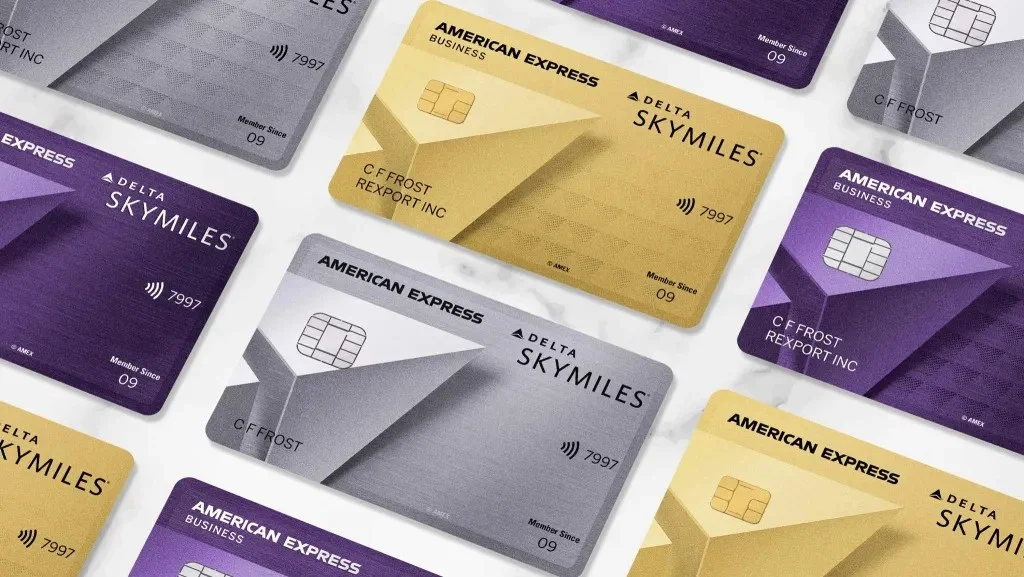
The biggest new Delta SkyMiles American Express welcome offer is 200,000 miles on the Reserve Business card, but it comes with a $20,000 spending requirement in six months. Across six personal and business cards, the offers pair miles with different spending targets, statement credits or flight certificates. They’re available through November 4, 2026, and some personal-card mileage offers are advertised as “as high as,” so the amount a customer sees may vary.
That makes the spending threshold as important as the headline bonus. A large offer can be a poor fit if reaching its target would mean buying things you don’t need or carrying a balance. Compare each requirement with your planned spending over the first six months, and consider the card’s ongoing benefits separately from its welcome offer.
Welcome offers and spending targets
The Gold personal card offers as high as 80,000 miles after $3,000 in purchases in the first six months, plus a $250 statement credit after meeting that same target. The Gold Business card offers 90,000 bonus miles for $6,000 in purchases during the first six months of card membership.
For the Platinum personal card, the offer is as high as 90,000 miles after $4,000 in purchases within six months, plus a $300 statement credit after meeting the spending requirement. The Platinum Business card offers 100,000 bonus miles after $8,000 in purchases in the first six months of membership.
The personal Reserve offer takes a different approach: spend $10,000 in the first six months to earn 50,000 bonus miles and two round-trip Delta Comfort Flight Certificates. The certificates are for travel to the U.S. 48, Puerto Rico or the U.S. Virgin Islands. They require booking at least 21 days ahead, and taxes and fees of up to $80 per person apply.
The Reserve Business card has the largest mileage offer: 200,000 bonus miles after $20,000 in purchases during the first six months. That target averages about $3,334 in monthly purchases across the offer period. It’s a substantial commitment, so the offer is most relevant to applicants who can meet it through ordinary planned expenses.
Benefits beyond the welcome offer
The cards also come with recurring benefits that differ by product. Each card has an annual value figure listed for selected credits and travel perks: up to $300 for Gold, $350 for Gold Business, $390 for Platinum, $440 for Platinum Business, $560 for Reserve and $610 for Reserve Business. These figures describe potential value, not cash automatically received. To use the credits, cardholders need eligible purchases and, in some cases, enrollment or bookings through specific channels.
For Reserve and Reserve Business, the listed credits include Resy purchases at eligible U.S. restaurants, rideshare purchases with selected providers after enrollment, and prepaid hotels or vacation rentals booked through Delta Stays. Platinum and Platinum Business list the same three types of credits. Gold and Gold Business instead list a Delta flight credit and a Delta Stays credit.
Eligible cards also include a Companion Certificate after renewal. Depending on the card, it can cover a round-trip companion ticket in First Class, Delta Comfort+ or Main Cabin. Eligible destinations include the continental U.S., Hawaii, Alaska, Mexico, the Caribbean and Central America. Taxes and fees range from $22 to $250 for itineraries with up to four flight segments; baggage charges and other restrictions can apply. Check the certificate’s terms and travel rules before treating it as a fixed dollar value.
TakeOff 15 gives cardholders 15 percent off award travel booked with miles on delta.com or in the Fly Delta app. The discount doesn’t apply to partner-operated flights or to taxes and fees. Platinum and Reserve personal and business cardholders also receive a $2,500 MQD Headstart at the beginning of each qualifying year, February 1, and can earn additional progress toward status through card purchases with MQD Boost.
What to weigh before applying
A useful comparison starts with the spending requirement, then moves to the benefits you’re likely to use. For example, the Gold personal offer has the lowest spending target and combines miles with a statement credit, while the Reserve Business offer requires the most spending and provides the largest mileage total. The Reserve personal offer includes certificates, whose practical value depends on whether the destinations, booking window and fees suit your travel plans.
Also account for the difference between a listed credit and money saved. A credit only reduces costs when you make an eligible purchase you would otherwise have chosen. Likewise, miles and flight certificates can be useful, but their value depends on available trips and the card’s terms. Review the offer shown when applying, especially for “as high as” bonuses, and make sure your planned purchases can meet the requirement without disrupting your budget.
The offers run through November 4, 2026. The best fit is the card whose spending target and ongoing benefits match your existing plans; the largest bonus alone doesn’t tell you whether the card will be worthwhile.