First day cover ·
Everyday Health Habits That Could Keep Retirement Bills in Check
Exercise, diet, sleep and staying socially engaged may help limit the medical bills that eat into retirement savings. Here's where the numbers add up.

Retirement planning tends to focus on account balances and withdrawal rates. The line item that's hardest to predict is often your own health. Out-of-pocket healthcare costs are projected to climb nearly 50% by 2050, and medical bills already rank among the main reasons retirees end up dipping into savings sooner than they planned. Healthcare also makes up a large share of retiree spending, even after Medicare is factored in.
That's why the habits you build now carry financial weight, not just health benefits. So what does staying healthy look like in practice? Medical experts generally point to a handful of routines:
- Regular aerobic and strength training. The standard recommendation for adults 50 and older is 150 minutes of moderate aerobic activity per week, plus two strength training workouts.
- An anti-inflammatory diet. Plenty of leafy greens, berries, lean proteins and whole grains supports cardiovascular health and is linked to a lower risk of cognitive decline.
- Restorative sleep. Consistently getting 7 to 9 hours of quality sleep a night gives the body and mind time to recover.
- Social connection and mental stimulation. Staying socially engaged and learning new skills are associated with a lower risk of dementia.
- Healthy markers. Keeping blood pressure, blood glucose and cholesterol within target ranges helps prevent chronic illness, strokes and mobility problems.
None of these habits guarantees a clean medical bill. But they can change which costs you face and when you face them. Here's where the numbers get specific.
Five areas where healthy habits can shift retirement costs

1. Delaying long-term care.
Nobody can promise they'll never need long-term care. Still, a healthy lifestyle combined with good longevity may help you avoid it or push it back by years. That delay can be worth a lot. As of 2026, the annual cost of in-home care is $82,482, while assisted living runs $76,632 a year. A semi-private nursing home room costs $118,424 a year, and a private room costs $133,462.
2. Reducing prescription and visit costs for chronic conditions.
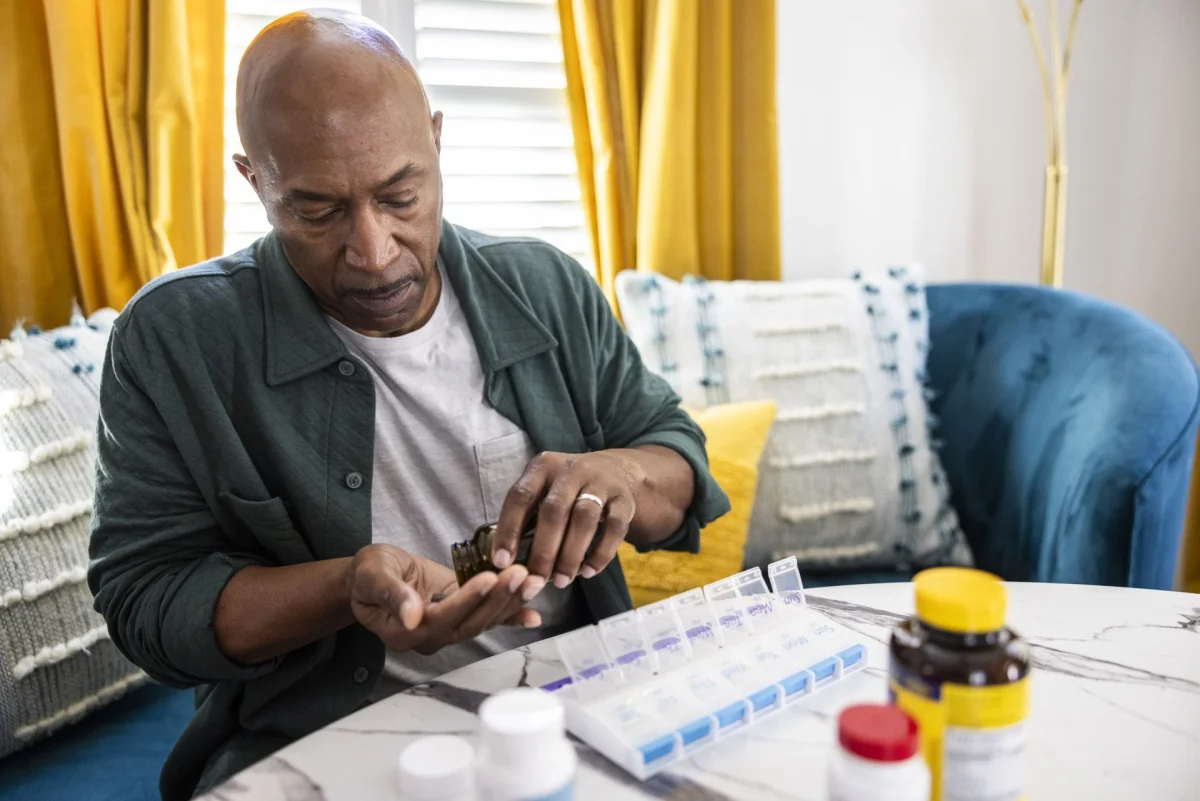
Managing diabetes, high cholesterol or hypertension usually means ongoing medication and regular doctor visits. Healthy habits can't erase those needs for everyone, but they can reduce how much care is required. Take diabetes as an example. Medicare caps insulin at $35 a month, or $420 a year. Supplies such as test strips and continuous glucose monitors fall under Medicare Part B, which applies a $283 annual deductible before a 20% coinsurance kicks in. Add doctor visits, copays and transportation, and the estimated annual median cost of type 2 diabetes is $5,876 per person, according to the National Center for Chronic Disease Prevention and Health Promotion.

3. Preventing falls.
Strength and balance work is one of the most direct ways to keep muscle mass and coordination intact. It also lowers the odds of a fall, and falls are where many retirement budgets take an unexpected hit, both physically and financially.
The scale is striking. Total healthcare costs for non-fatal falls among older adults reach $80 billion a year. Medicare pays 67% of that, and 29% is paid out of pocket by older adults and families or by private insurers. Among older adults who fall, the National Council on Aging reports that more than half receive hospital care, averaging $18,654 per inpatient visit for fall injuries and $1,112 per emergency department visit.
Building a dream retirement shouldn't feel like a second job. Keep it simple with our newsletter on retirement tips.

4. Easing joint pain and osteoarthritis.
Carrying a healthy weight puts less strain on hips and knees. That can slow joint wear and may delay or prevent joint replacement and long-term pain treatment. Arthritis and joint disorders cost older adults an average of $2,969 a year in direct medical expenses, according to the Agency for Healthcare Research and Quality (AHRQ) Medical Expenditure Panel Survey. Once joint complications, physical therapy and pain management enter the picture, total annual costs for seniors living with osteoarthritis can climb past $15,000.

5. Protecting your heart.
Regular aerobic exercise, plus a diet built around healthy fats and whole foods, can help counter arterial plaque, hypertension and high cholesterol. Those factors feed heart attacks and heart disease, which are among the most expensive conditions in retirement. Cardiovascular disease is one of the largest economic drains on the U.S. healthcare system, and older adults account for a big share of that spending. As of 2022, total direct and indirect annual costs from cardiovascular disease for patients 65 and older reached $182.5 billion, according to the American Heart Association. Older adults treated for heart disease average $5,397 a year in direct medical care, per the AHRQ Medical Expenditure Panel Survey.
Why this matters for your nest egg
Here's my read: most people plan for retirement by looking at the accounts, then treat health as something that just happens to them. The cost figures above suggest that's backwards. Every doctor's visit you avoid, every prescription you don't need and every long-term care stay you postpone is spending that never leaves your budget.
That said, healthy habits aren't a guarantee, and they won't suit every situation. Genetics, existing conditions and access to care all play a role. Treat these numbers as general cost information rather than a promise of savings, and remember that personal medical and financial decisions deserve input from your own doctor and advisor.
The practical move is to start tracking your own health-related spending now, from prescriptions and copays to transportation and home modifications. Once you can see where the money goes, you'll know which habit is worth tackling first, whether that's a walking routine, better sleep or a conversation about your blood pressure at your next checkup.