First day cover ·
Why Building Blocks Help Toddlers Learn Through Play
Stacking, sorting and starting again let toddlers explore coordination, language and problem-solving at their own pace.
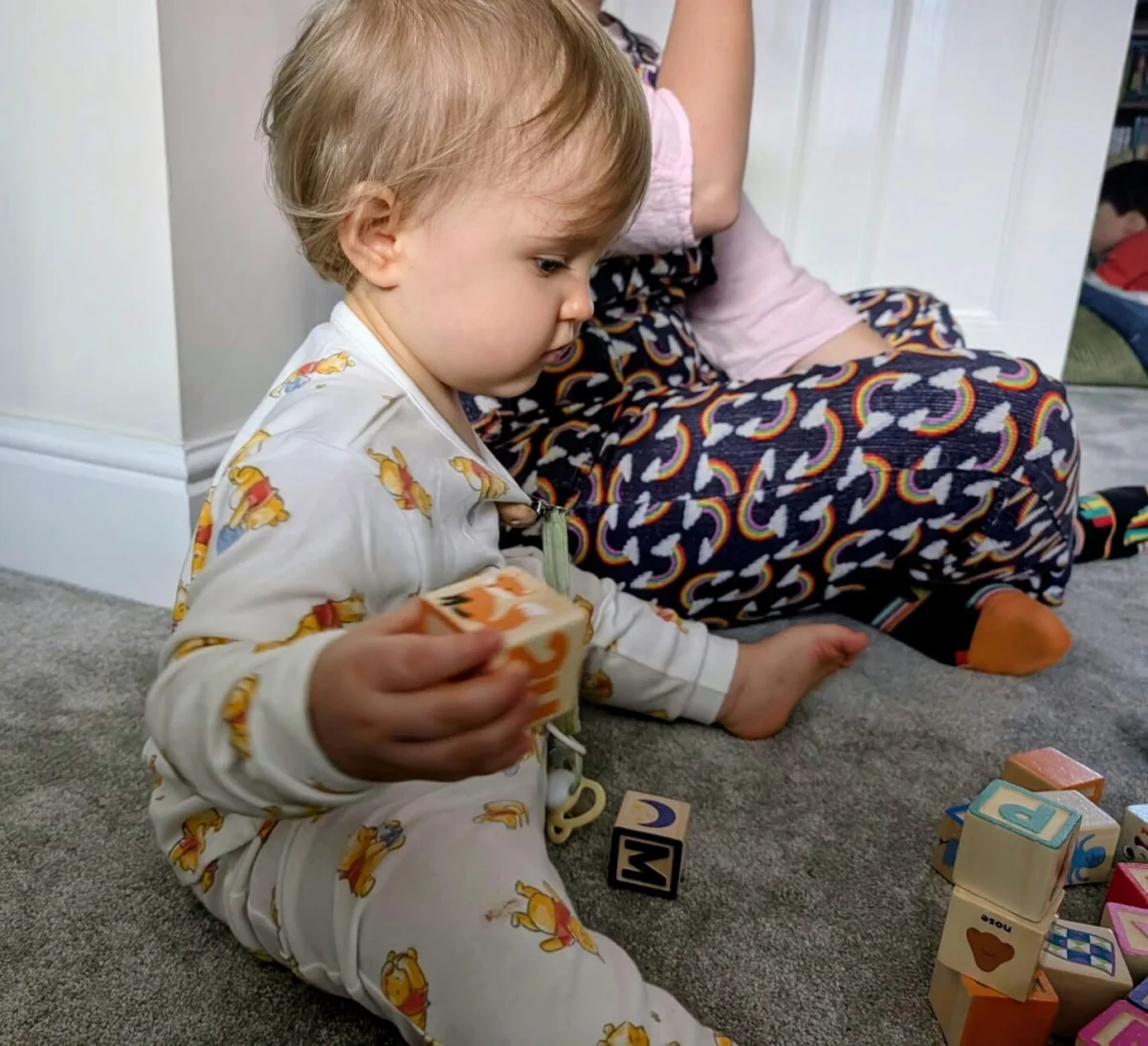
Building blocks give toddlers room to experiment, and that freedom is what makes them useful. A child can stack, sort, line up or knock down pieces without needing to follow instructions or reach a single finished result. Along the way, play can involve coordination, problem-solving, language and discovery about how things fit together.
Rosie, a 17-month-old, shows how much learning can happen without a formal activity. She puts objects inside other objects, takes them out, builds towers and topples them. When she points at something and asks what it’s called, she’s also turning play into a chance to connect words with the things around her.
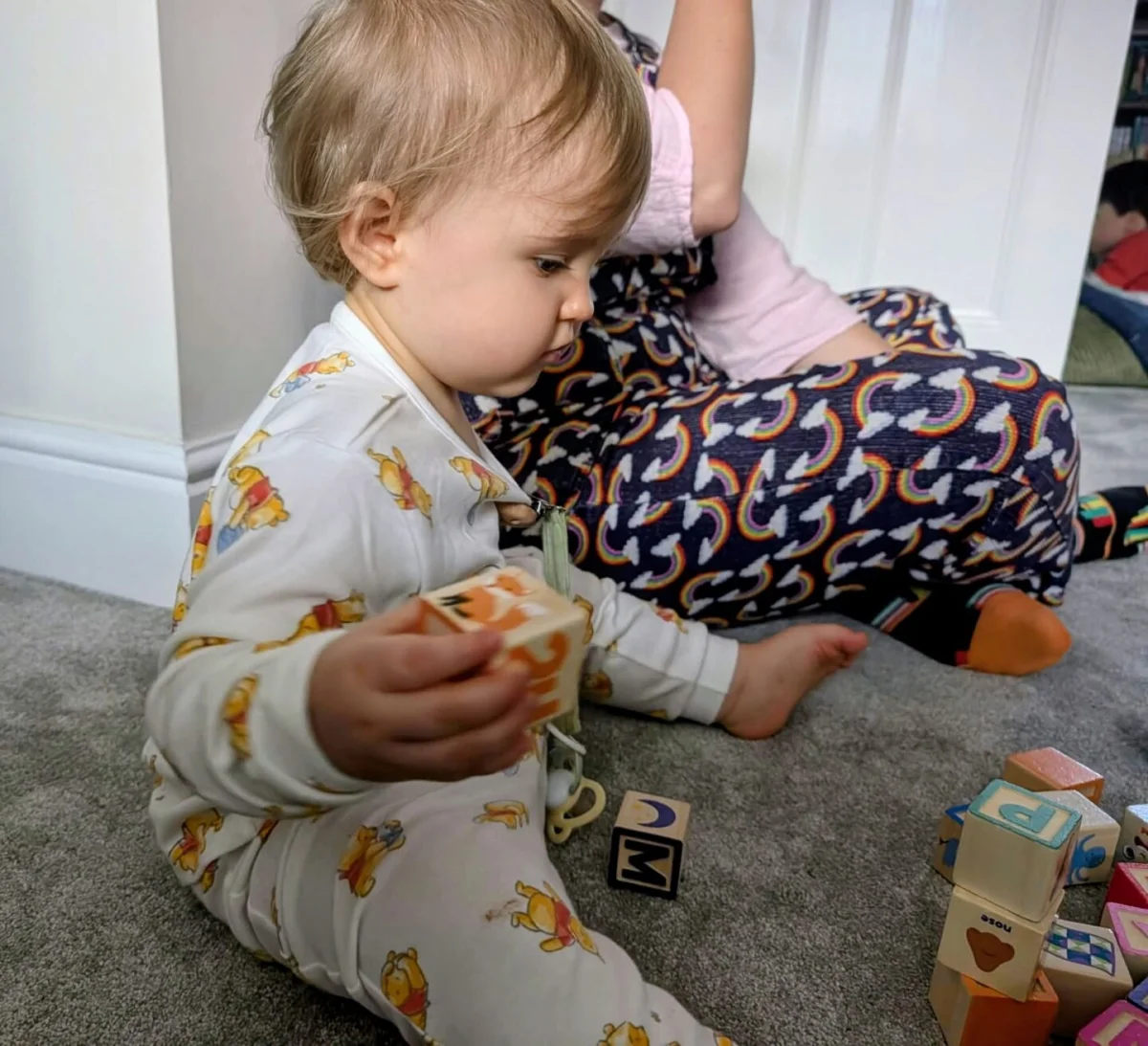
For a toddler, these small experiments are the activity. Trying to balance one block on another brings questions about where a piece fits and what happens if it moves. Dropping or knocking down a tower lets a child see cause and effect. Repeating an action can be part of figuring it out, rather than a sign that the play has run its course.
Open-ended play leaves choices to the child
Blocks are appealing partly because they don’t prescribe what a child should do. A toddler might stack them, carry them around, line them up or put them into a container and empty it again. The same pile can become a tower, a row of pieces or a collection to sort. And when an adult builds something impressive, knocking it over may be the most satisfying part for the child.
That openness is a practical quality in a toy. Children can try ideas at their own pace, and there’s no single construction that counts as the right answer. Traditional building blocks can suit different kinds of play because the pieces leave room for a child to decide what to make of them.
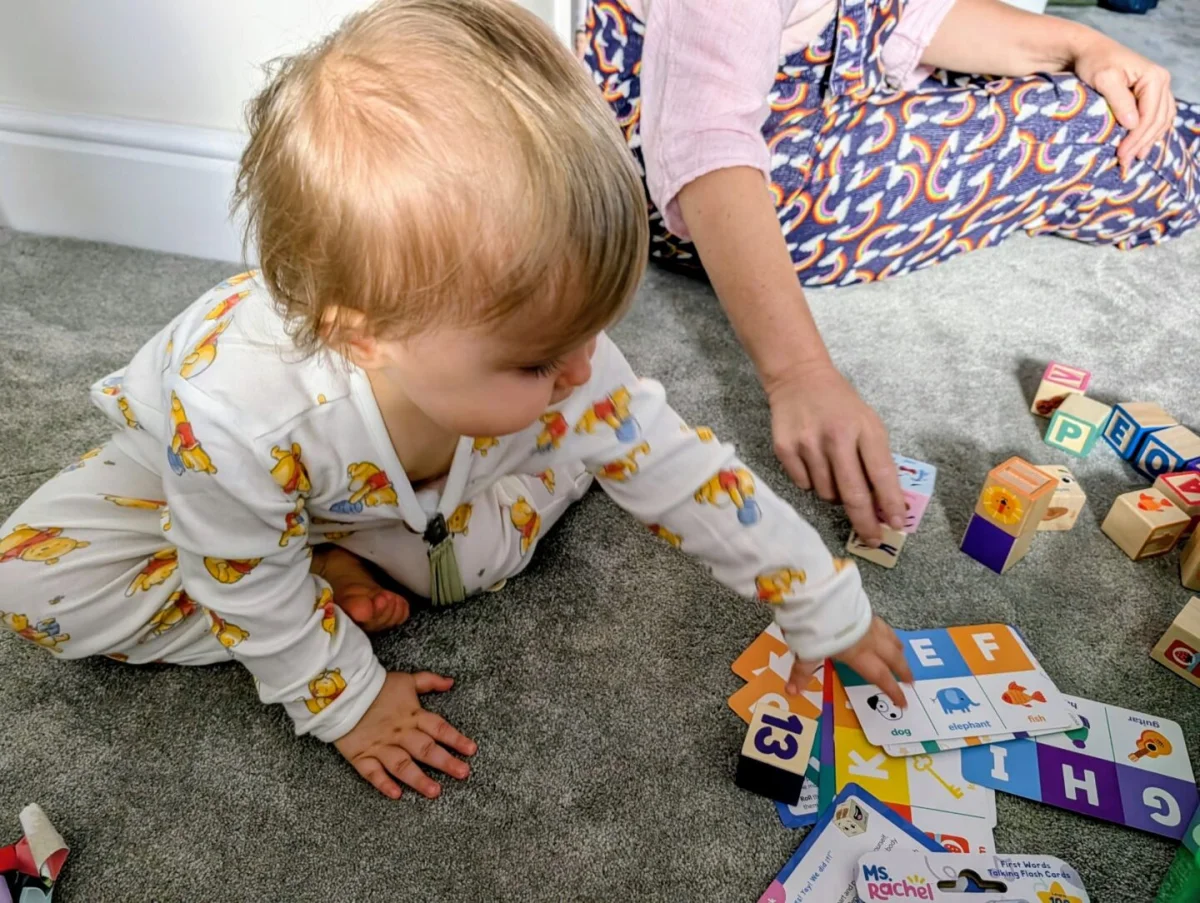
The Melissa & Doug Ms Rachel Wooden Learning Blocks and Activity Cards bring a familiar character into that open-ended play for Rosie. They also offer more than one way to use the set: a young toddler can handle and stack the pieces, while matching, sorting and activity cards can add different possibilities as the child grows.
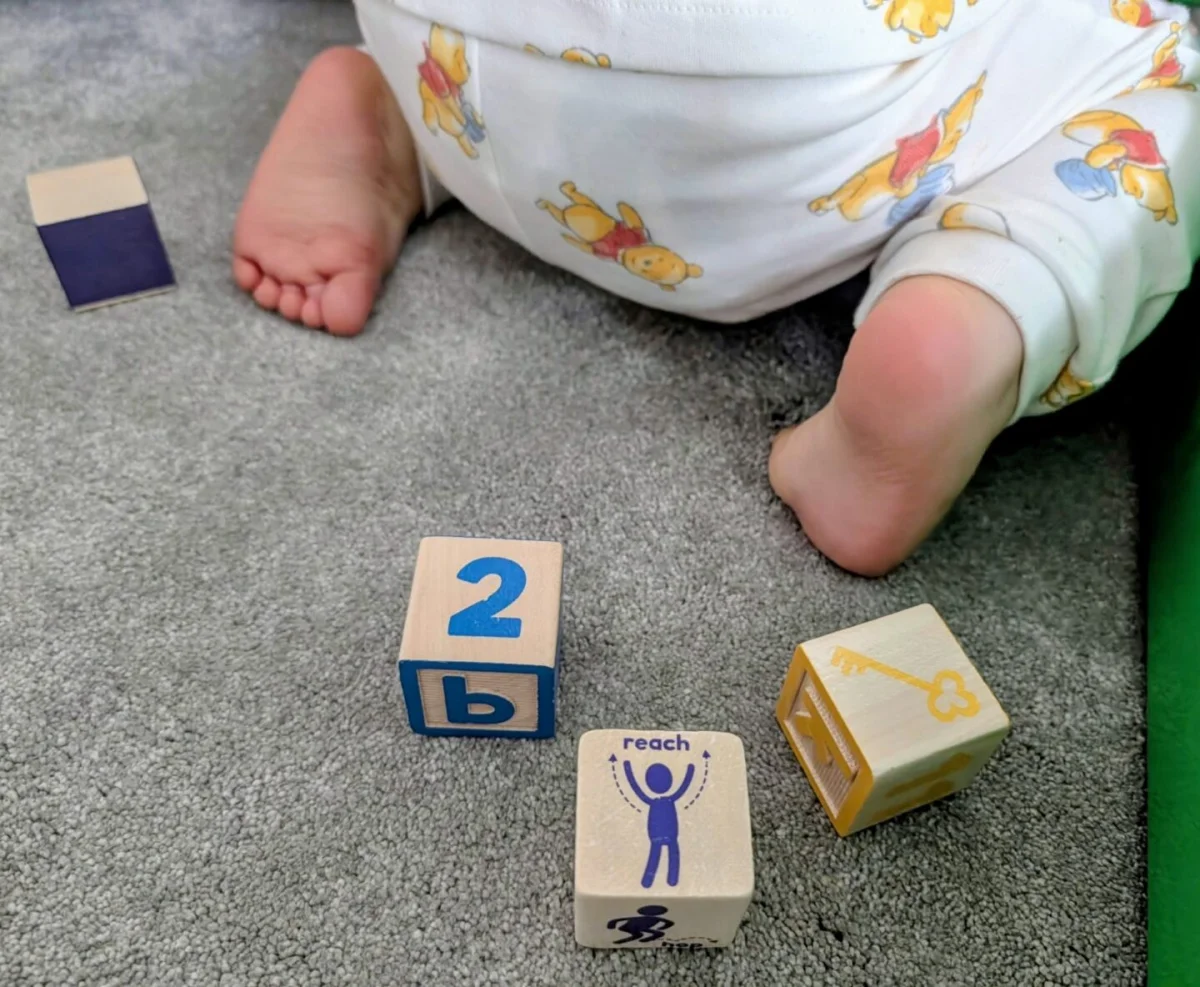
One toy can offer new challenges over time
The LEGO DUPLO Creative Vehicles set adds wheels to the building experience. Children can build, push vehicles and experiment with how pieces combine. Since the parts can be swapped and joined in different ways, play doesn’t have to end with one prescribed model.
A classic LEGO DUPLO Brick Box is also waiting for Rosie when she reaches its recommended age of 18 months. It has 65 colourful pieces, including bricks, a car, windows, flowers and number bricks. Those familiar elements can support simple handling and connecting at first, then more involved play as a child’s skills and interests change.
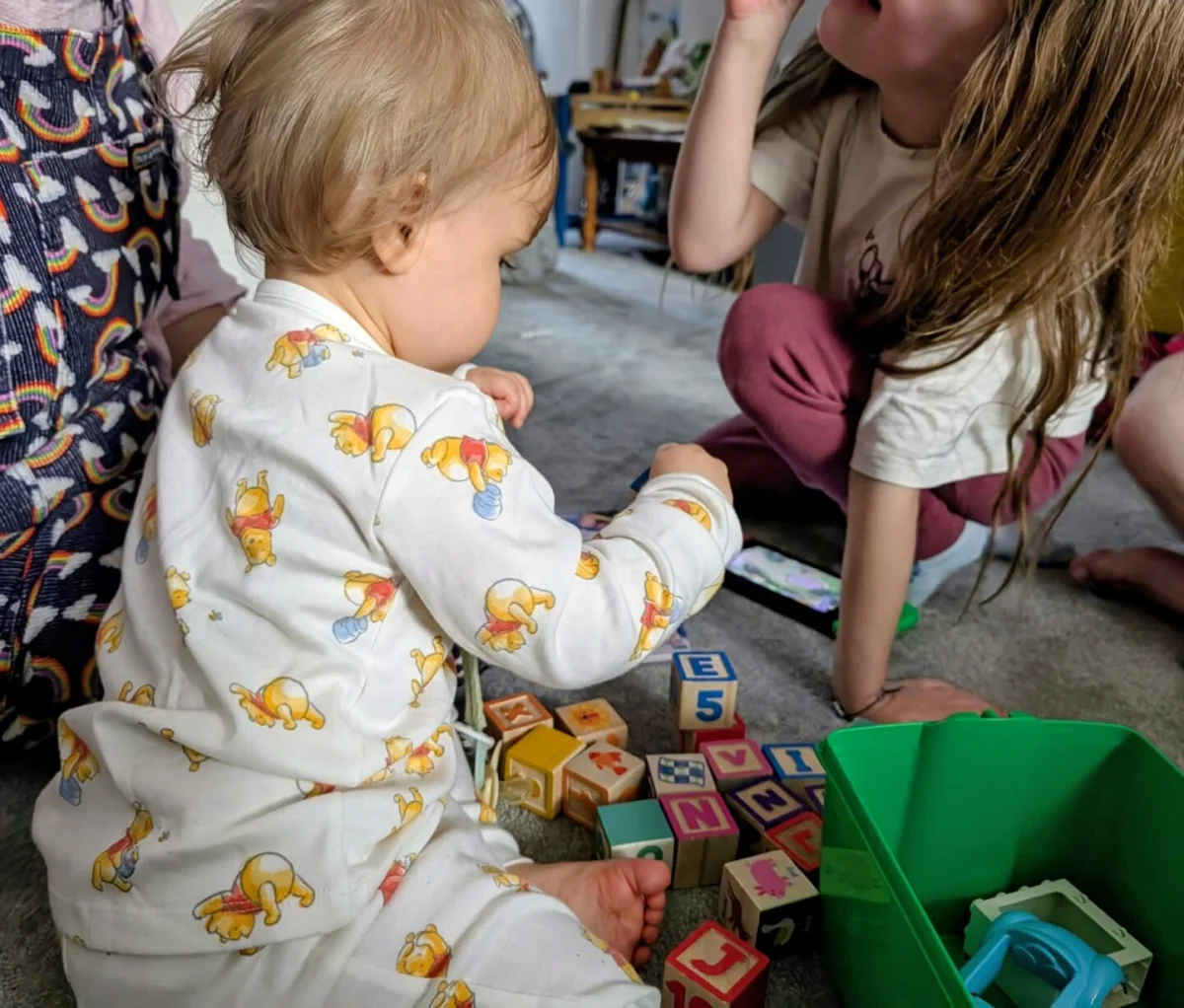
That potential to change with a child matters when choosing toys for toddlers, who can approach the same pieces differently as they develop. Connecting two bricks may be the main challenge at first. Later, a child might make a tower, a vehicle or a house, then invent a story around it. The construction doesn’t need to look recognisable to be part of imaginative play.
Building also offers practice in trying, adjusting and starting again. A tower that falls can prompt another attempt; pieces that don’t connect as expected can lead to a new arrangement. A parent or carer can join in, but the child still has room to guide what happens next.
Language and sensory play count, too
Learning through play isn’t limited to building. Rosie is picking up words and understands a lot of what people say to her. The Ms Rachel First Words Talking Flash Cards use pictures, words and sounds to encourage connections. A relaxed way to explore them is to look at a picture together, name what’s shown, repeat a sound and let the child connect it to something familiar.
That doesn’t require turning play into a desk lesson. Following a toddler’s attention gives them a chance to look, listen and respond in their own way. The same goes for sensory toys: exploring colours, textures, shapes, sounds and movement gives children information to notice and investigate.
Playing together can be simple
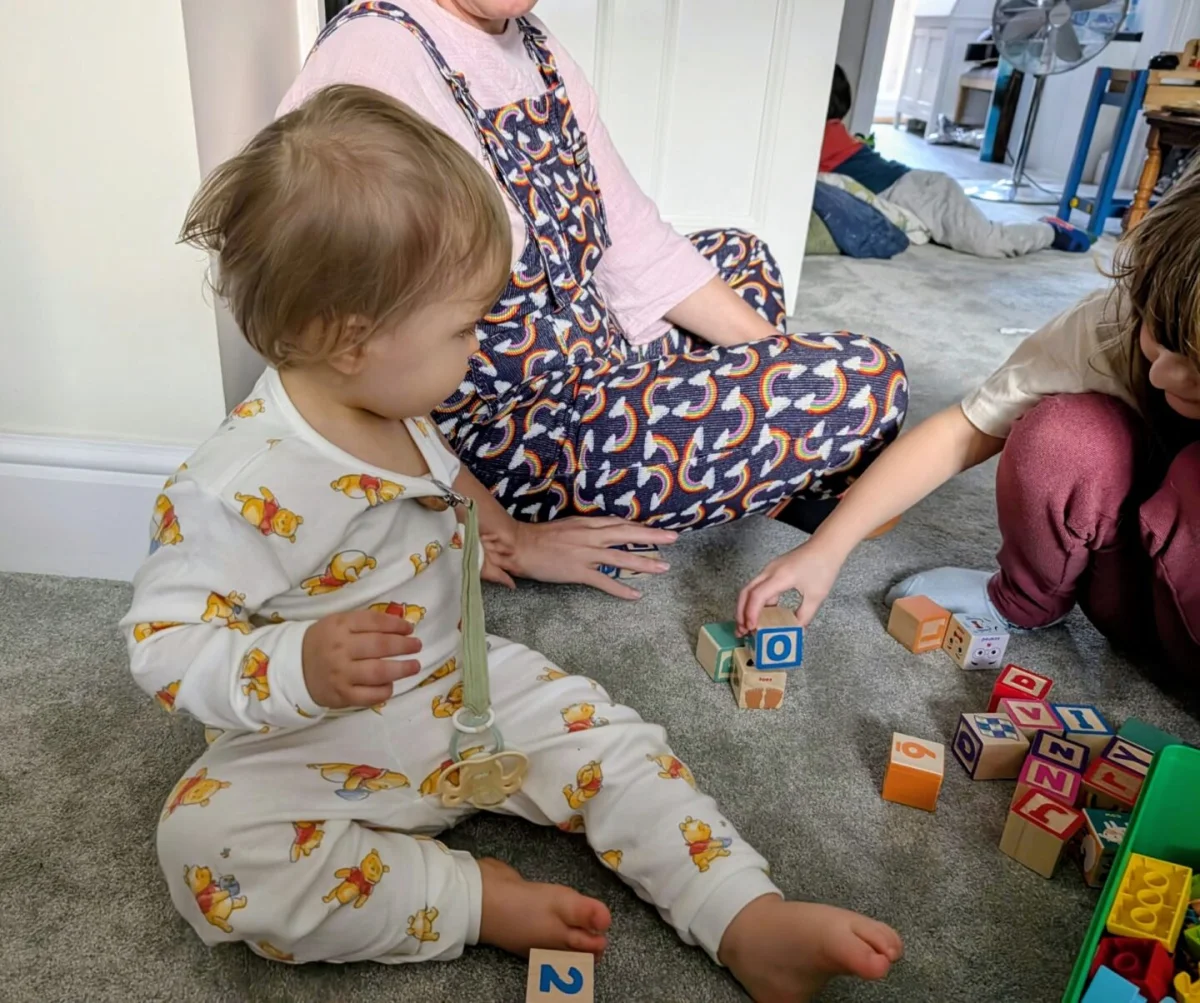
The best toys for Rosie are the ones that leave some decisions to her. A toy doesn’t need a long list of functions to invite attention. A box of pieces can be enough to build together, sort and match, or make up a story around whatever takes shape.
Shared play doesn’t have to be an elaborate activity. An adult can sit on the floor, build a house or tower, and let the child add pieces or knock it down. Joining in creates a chance to talk about what’s happening while keeping the play flexible. Sometimes the most useful response is simply to rebuild and see what the child does next.
With Christmas approaching, toys that offer more than one kind of play may be worth considering. The wooden blocks, flash cards and DUPLO sets described here can be explored simply at first, with new ways to use them emerging as language, coordination, problem-solving and imagination develop. Very has a Christmas toys guide with ideas for different ages and interests.
Rosie’s play is a reminder that toddlers are already busy testing, copying, building and sorting as they make sense of the world. Adults can offer interesting things to explore, follow the child’s curiosity and take part when invited. The tower may not stay standing for long, but building it—and beginning again—can be the point.
And for Rosie, a familiar Ms Rachel connection makes the play even more inviting.
The original post, Why building blocks are such brilliant toys for learning through play, appeared on Slummy single mummy.
Why building blocks are such brilliant toys for learning through play was first posted on October 13, 2026 at 12:44 pm. ===