First day cover ·
Market losses test retirement plans as investors reassess tech concentration
A sharp weekly decline highlights the trade-offs of defensive holdings and the value of matching investment risk to your time horizon.

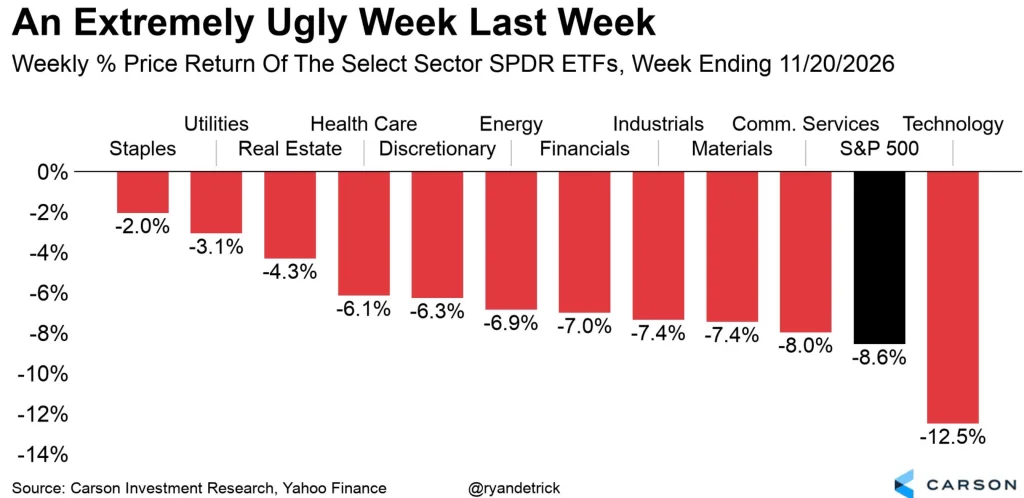
A rough week in the markets has put a practical question back in focus: how much of a portfolio depends on U.S. technology shares, and how much short-term loss can an investor absorb? The selloff has been linked to concerns about Nvidia and the possibility that its chips were being diverted to China. The outlook remains uncertain; the correction could end quickly or deepen.

The weekly losses cited were 8.0% for Canadian stocks and 7.1% for developed international markets, measured in Canadian dollars. Those figures describe one difficult week, not a forecast. A sharp drop can prompt investors to revisit their plans, but it doesn’t by itself show where prices will go next.
Retirees face a different timing risk
For someone who has recently retired, a market decline can matter more than it does for someone still building savings. Retirees may need to withdraw money while investments are down. Selling holdings during a decline can leave fewer shares or units available to participate if prices later recover. That timing risk is one reason portfolio concentration and valuations deserve attention before withdrawals begin.
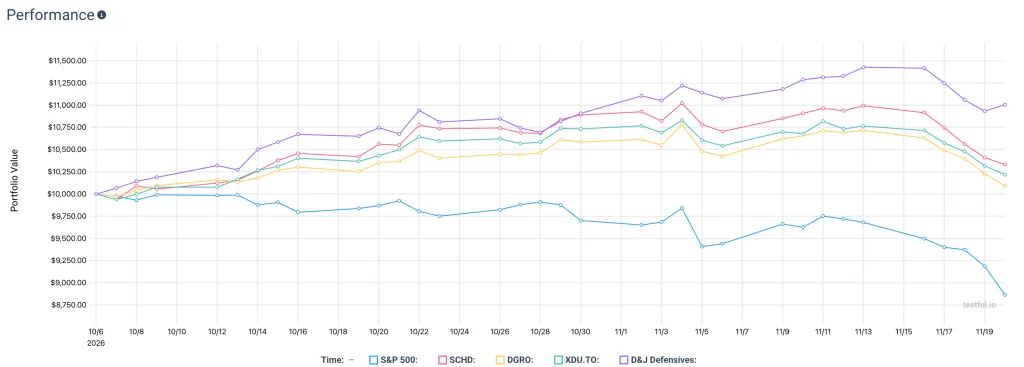
U.S. markets had been described as historically expensive for several years. High valuations can be associated with lower future returns or extended stretches without gains, though neither outcome is certain. A portfolio heavily weighted toward U.S. technology and artificial intelligence companies may therefore be exposed to both sector concentration and valuation risk.
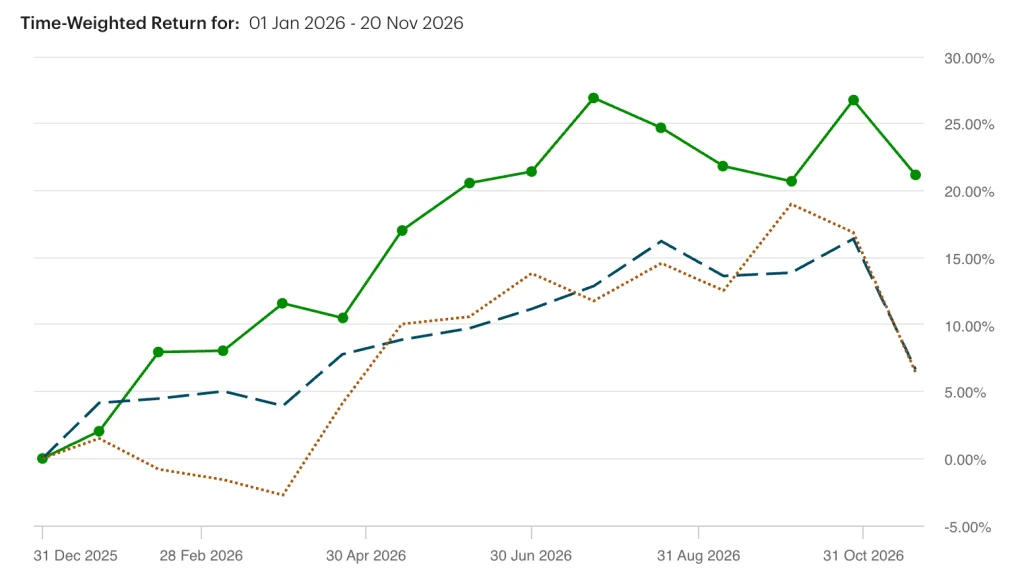
One way investors may respond is by spreading exposure across other parts of the market and keeping some cash or bonds in the mix. The source describes defensive and low-volatility equities as possible tools, alongside reduced U.S. exposure. These approaches can soften some declines in particular periods, but they don’t remove market risk or ensure positive returns.
Defensive holdings can fall less, but still fall
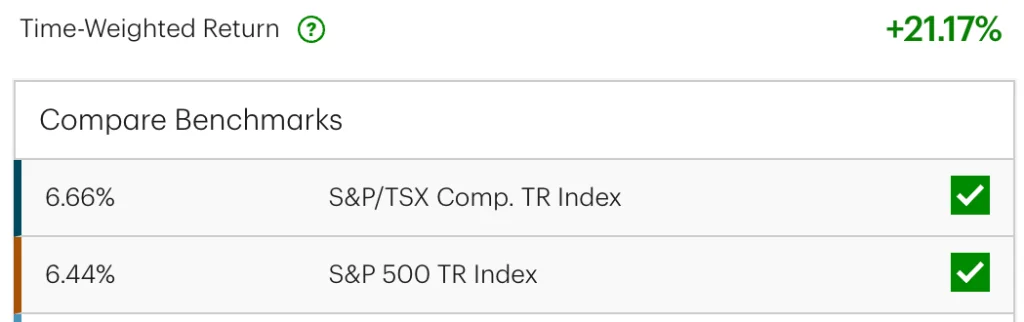
The correction discussed began on October 6, and the decline accelerated during the week in question. The source reports that BMO’s Canadian low-volatility fund, ZLB, was up 5.1% from October 6. It also describes a Canadian blue-chip defensive portfolio that was down 3.8% over the latest month, compared with a 7.9% drop in the TSX over that period.

Those comparisons show how different holdings can behave over a particular window. They don’t establish that defensive stocks will outperform in the next downturn. A defensive portfolio can still lose value, and results from one portfolio or time period may not apply to another investor’s holdings.

Mixing defensive shares with bonds and cash can change a portfolio’s risks and potential returns. More defensive holdings may reduce exposure to a steep decline in one sector, while also participating less if that sector rebounds sharply. Cash and bonds bring their own trade-offs, including the possibility of lower growth than shares over longer periods. The right mix depends on an investor’s goals, time horizon and comfort with losses.
Time horizon changes how a correction feels
People accumulating wealth with a decade or more before they need the money may be better placed to wait through a long downturn than retirees drawing from their portfolios. Lower prices can help long-term investors buying regularly, because each contribution can purchase more shares or fund units. But a lower price is only useful if the investor can keep contributing and can tolerate the possibility that values remain depressed for an extended period.
That makes risk tolerance more than a reaction to a bad week. It’s the ability to stick with a plan through losses that may last longer than expected. Investors should understand what they own, how concentrated their holdings are and when they expect to use the money. A portfolio that looks comfortable during a rising market may feel very different once withdrawals or near-term expenses are involved.
Retirement cash flow puts the portfolio in context
A retirement cash-flow plan can connect expected spending with income and savings. Laying out when money may be needed can help identify whether a portfolio is exposed to too much short-term risk. The source points to MayRetire as a calculator used to build such plans. Any calculator depends on the assumptions entered, so projections are planning tools rather than guarantees.
That kind of planning can also help people approaching retirement think through account transitions. The source mentions RRSP and LIRA conversions before 2027, as well as a proposed “RRSP for life” approach that could eventually replace the RRIF account. It does not provide enough detail to assess the proposal’s terms or effects, so readers should treat it as a topic to follow rather than a settled change.
Market corrections are difficult to time, and the next move is unknown. For households, the useful step is to review whether the portfolio, cash reserves and withdrawal plan still fit the time horizon and the level of loss they can bear. A strategy should be judged by whether it supports the household’s needs across both rising and falling markets, not by one week’s result.