First day cover ·
Tesla Model Y Leads U.S. EV Recall Count in 2026 Study
A 2026 study ranks the EVs with the most recalls and complaints, while showing why model totals alone don’t tell the whole story.
Recall counts can help car shoppers ask better questions, but they don’t tell the whole story of owning an electric vehicle. A study of more than 50 electric models sold in the U.S. ranked the Tesla Model Y first for the number of safety recalls in 2026. The Hyundai Ioniq 5, meanwhile, had far more complaints than most models on the list relative to the number of vehicles affected.
That difference matters when comparing cars: the count of separate recalls, the number of vehicles covered and owner complaints measure different things. A higher total in one column doesn’t automatically mean a model has the most serious problems, or that a particular used car still has an open recall.
What the 2026 study counted
Rerev’s report drew on National Highway Traffic Safety Administration (NHTSA) recall data. It compared the number of separate recalls for each model with the number of vehicles affected and complaints filed with the NHTSA. The figures below are the study’s reported totals for 2026.
| Make and model | Recalls | Vehicles affected | Complaints filed |
|---|---|---|---|
| Tesla Model Y | 5 | 146.04K | 787 |
| Lucid Air | 4 | 43.67K | 21 |
| Rivian R1S | 4 | 72.93K | 47 |
| Rivian R1T | 4 | 47.76K | 40 |
| Hyundai Ioniq 5 | 4 | 2.6K | 610 |
| Ford Mustang Mach-E | 3 | 129.41K | 96 |
| Kia EV9 | 3 | 21.74K | 55 |
| Jeep Wagoneer S | 3 | 23.83K | 45 |
| Volvo EX30 | 3 | 1.79K | 9 |
| Tesla Model 3 | 3 | 69.94K | 412 |
The Model Y led with five recalls and 787 complaints. The Ioniq 5 had four recalls and 610 complaints, despite the study listing just 2.6K vehicles affected. That combination stands out, but complaints and recall totals alone don’t establish how likely a specific car is to have a problem. The table doesn’t explain the severity or timing of every complaint, either.
The issues behind some of the top counts
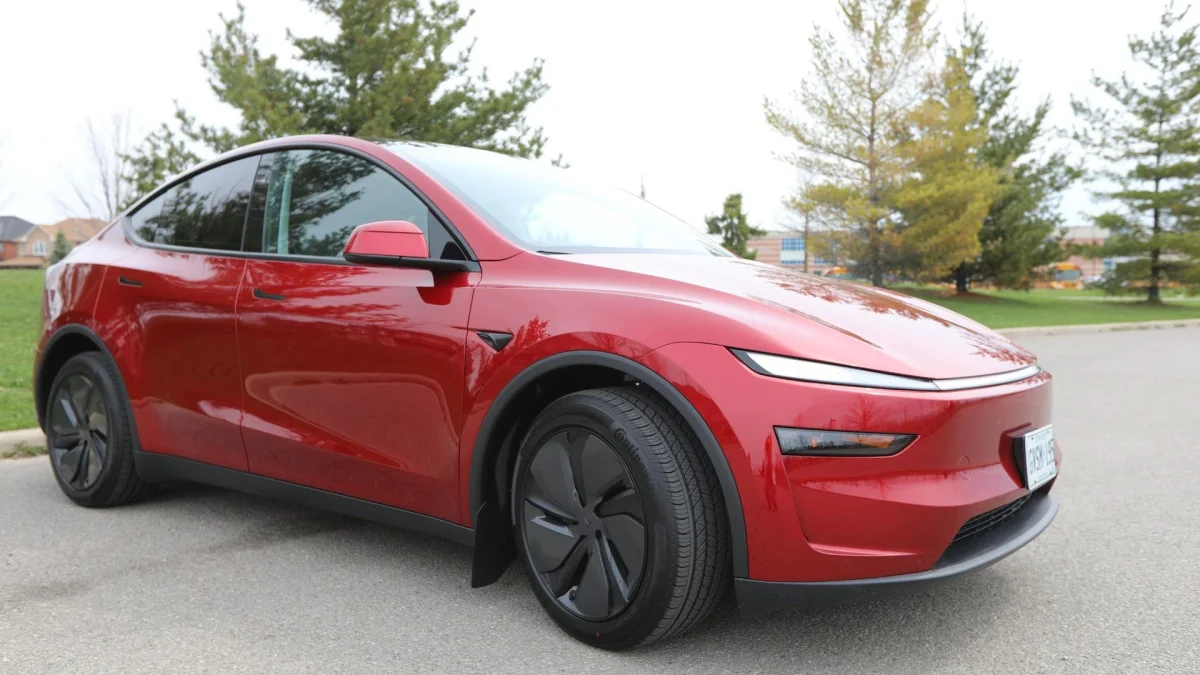
For the Tesla Model Y, the source describes some fixes as relatively limited, including headlights that were too bright and a missing certification label. It says many Tesla repairs are delivered through over-the-air software updates. That can spare an owner a service visit, but it still means checking update notices and completing required safety fixes promptly.
The Lucid Air had four recalls and 21 complaints in the study. One recall involved a fire hazard linked to faulty lighting-circuit software. Lucid recommended that drivers park outside until the over-the-air update was applied. The low complaint count doesn’t make that instruction less important: the nature of a particular recall can matter more to an owner than a model’s place in a ranking.
The Rivian R1S and R1T each had four recalls. The report highlights issues with rear-camera messages, seat belts and front turn signals. These examples cover different parts of everyday use, which is why it’s useful to read the details of each recall instead of relying on the model’s total alone.
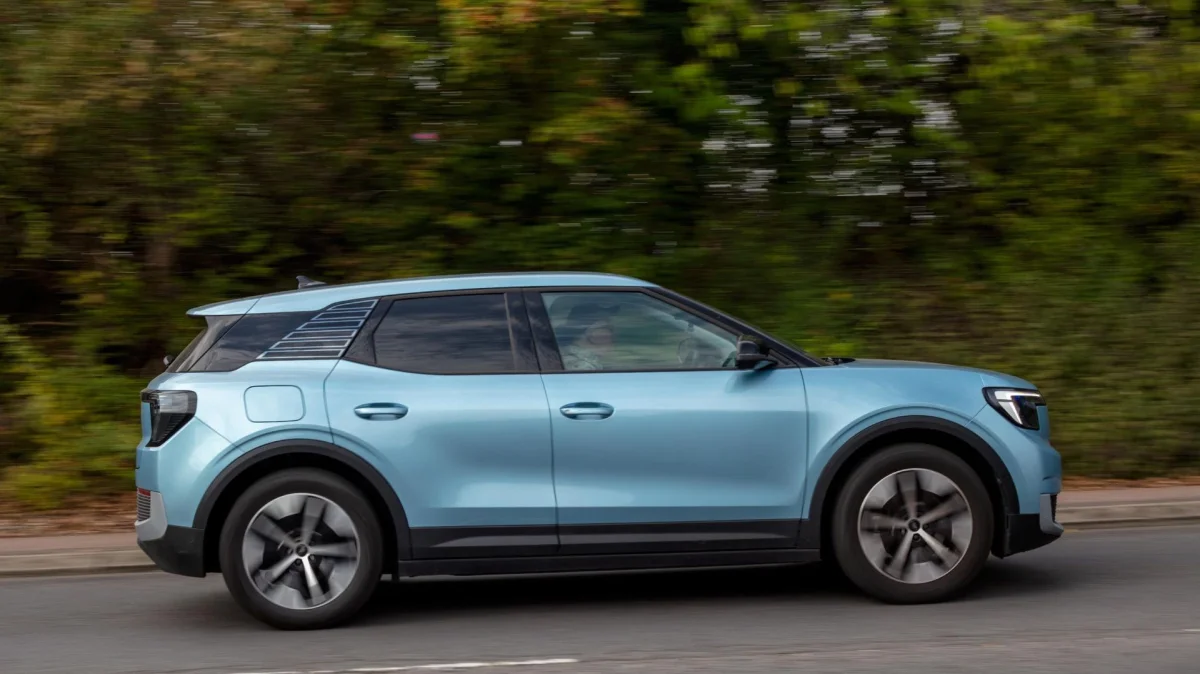
The Hyundai Ioniq 5 is the clearest reminder that recall counts and complaint counts are separate measures. The source links reported issues to integrated charging control unit failures that could cause power loss, and improperly tightened battery bus bars that created a fire risk. Its 610 complaints were second only to the Model Y’s 787 in the study.
What shoppers and owners can do
For a shopper, this ranking is a starting point for research, not a verdict on every vehicle wearing the same badge. Look up the recall history for the specific car you’re considering, especially when buying used, and check whether any open recall has been repaired. Ask for service records and confirm that recall work is complete before treating the car as ready to drive.
Owners can search the NHTSA recall lookup tool using a vehicle identification number (VIN) or license plate. If a notice applies, follow its instructions, arrange the repair and observe any temporary safety precautions. The source advises contacting a dealer to schedule free recall repairs, installing safety updates when directed, and keeping service documents. After the work, check that the recall is marked resolved in the relevant records.
EV owners often stay with electric cars: ChargePoint CEO Rick Wilmer told Kiplinger that EV owners have a 90% retention rate. That reported figure speaks to owner loyalty, while recall data offers a separate way to compare potential ownership concerns. As you weigh a model against your budget and driving needs, check its individual recall details and remember to include insurance costs in the total cost of owning the car.