First day cover ·
Cruise Ship Retirement Plans Show the Risks of Putting Home and Savings at Sea
Villa Vie’s suspension left residents arranging housing and travel after paying large sums to live aboard. The episode shows why backup plans matter.
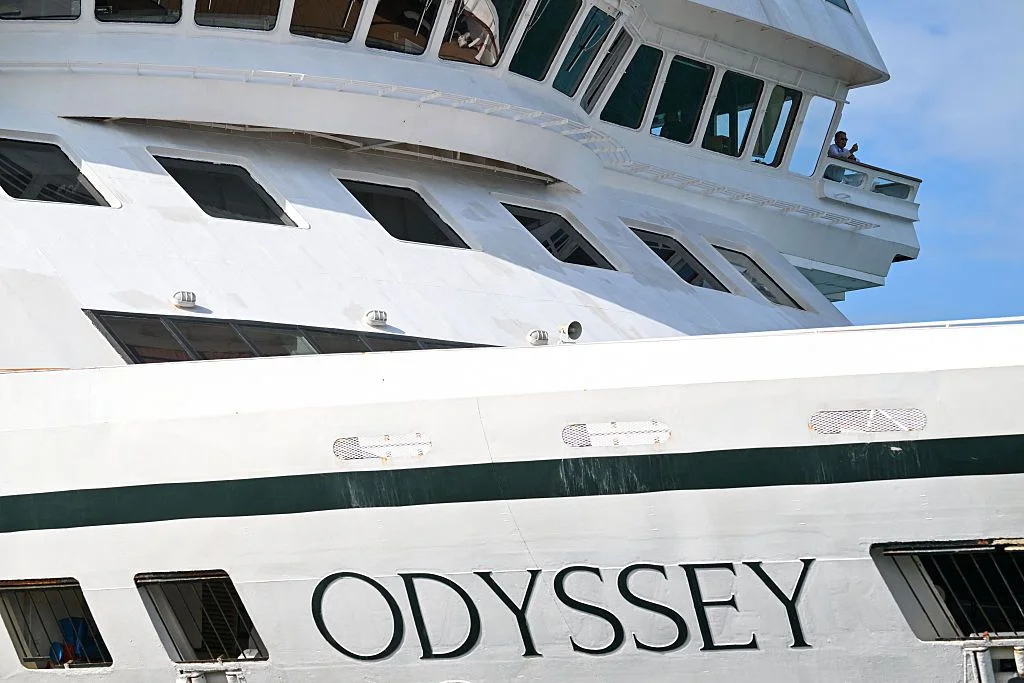
A retirement built around a ship can depend on more than the price of a cabin. Villa Vie Residences’ suspension of operations left residents facing an immediate housing and travel problem, while the company explored restructuring or Chapter 11 bankruptcy protection. The episode highlights a practical risk for anyone considering an arrangement that combines a home, travel and a large upfront payment: access to all three can depend on one operator’s ability to keep running.
Villa Vie Odyssey began its around-the-world journey from Northern Ireland in October 2024. Residents had paid roughly $100,000 for an inside cabin or as much as $350,000 for permanent residency. When the company suspended operations in Cambodia, residents were reportedly given seven hours to pack and leave the ship. More than 200 passengers had to find somewhere else to stay.
The operator attributed the suspension to a sharp rise in fuel expenses. It said costs that had historically averaged about $1,800 per cabin each month had climbed to between $6,000 and $8,000 per cabin in parts of Asia. In its announcement of the suspension, the company said it could not simply pass increases of that scale on to residents and that the resulting shortfall put its operating model under unsustainable financial pressure. It described the pause as lasting 60 days while it considered restructuring or bankruptcy protection.
What residents were left to manage
The consequences reached well beyond a change in travel plans. Some residents had sold their homes and cars and parted with most of their belongings before moving aboard. That can make a sudden departure especially difficult: the costs of a flight and temporary lodging arrive at the same time as questions about where to live next and whether the original payment can be recovered.
The source reports no secured funding or immediate refunds for residents. That left many to cover emergency travel and accommodation themselves. A large purchase price can make a long-term arrangement feel settled, but it does not by itself guarantee that a resident will retain access to the accommodation if the business pauses. Nor does the source establish when, or whether, residents will receive money back.
Randy Cassingham, who documented life aboard the ship at ResidentialCruising.com, said the vessel could accommodate roughly 650 residents and had peaked at around 350. He reported that 203 residents and 156 crew members were aboard when the ship arrived in Cambodia on October 23. Those figures help explain the scale of the departure, while also showing that the ship’s capacity and its actual resident count were different.
A CBS News report said the ship’s lender had taken control of the vessel. The ship was expected to move from Cambodia to Singapore, and residents were given the weekend to collect their remaining belongings. For those affected, retrieving possessions and securing a place to stay became immediate tasks, even as the ship’s longer-term status remained uncertain.
When a ship is also your home
Living aboard can bring travel and accommodation together in one arrangement. In theory, an extended cruise may offer a different way to spend retirement and could cost less than some retirement communities. But the price comparison is only one part of the decision. A household also has to consider what happens if the voyage stops, how quickly it can arrange somewhere else to live, and whether it can cover travel and lodging while the operator works through financial problems.
Cassingham and his wife said they had sold their house and car and given up nearly all their belongings. They still had a legal residential address in the United States, but he said it no longer felt like home. In a blog post, he described their situation as effectively homeless, while clarifying that they did not have to live on the street. He wrote that they could stay indefinitely in a five-star hotel in Southeast Asia for less than the cost of living aboard, but that a hotel was not what they considered home. They needed time to decide where to go and were waiting to learn whether they might rejoin the ship.
Their account points to a distinction that can get lost in a comparison of monthly costs: an affordable temporary room is not the same as a stable home. Anyone weighing a similar arrangement may want to think through the practical details alongside the headline price: where they would go if they had to leave, how they would pay for an unplanned flight and short-term lodging, what belongings they would keep accessible, and how much of their savings would be tied up in the arrangement.
Those are general planning questions, not a prediction about what will happen to Villa Vie residents. The company’s stated 60-day pause and exploration of restructuring or bankruptcy protection leave the outcome open. For households considering a residential cruise, the episode makes a backup plan part of the cost calculation: the arrangement has to work not only while the ship is sailing, but also if it stops.
Related reading
- Retire at Sea: Why a Luxury Cruise Ship Could Be Your Next Dream Home
- Retirement Community Living: How to Pay for Your Next Chapter
- Hantavirus: What Retirees Need to Know Before Boarding a Cruise Ship This Summer
- Retire in 2027 or Work One More Year? How to Decide
- Declared Dead by Social Security? How a Mistaken Record Freezes Your Life — and How to Fix It
Retirement Tips offers retirement strategies and lifestyle insights by email.