First day cover ·
When a Social Security Death Record Is Wrong: Steps to Restore Benefits and Coverage
An incorrect death record can disrupt income, Medicare and banking. Learn what to bring to a Social Security office and whom to contact next.

An incorrect death record can disrupt several parts of a person’s finances at once. Social Security payments may stop, Medicare claims may be denied, and banks or credit bureaus may treat a living person as deceased. The record can be corrected, but restoring services usually takes follow-up with more than one institution.
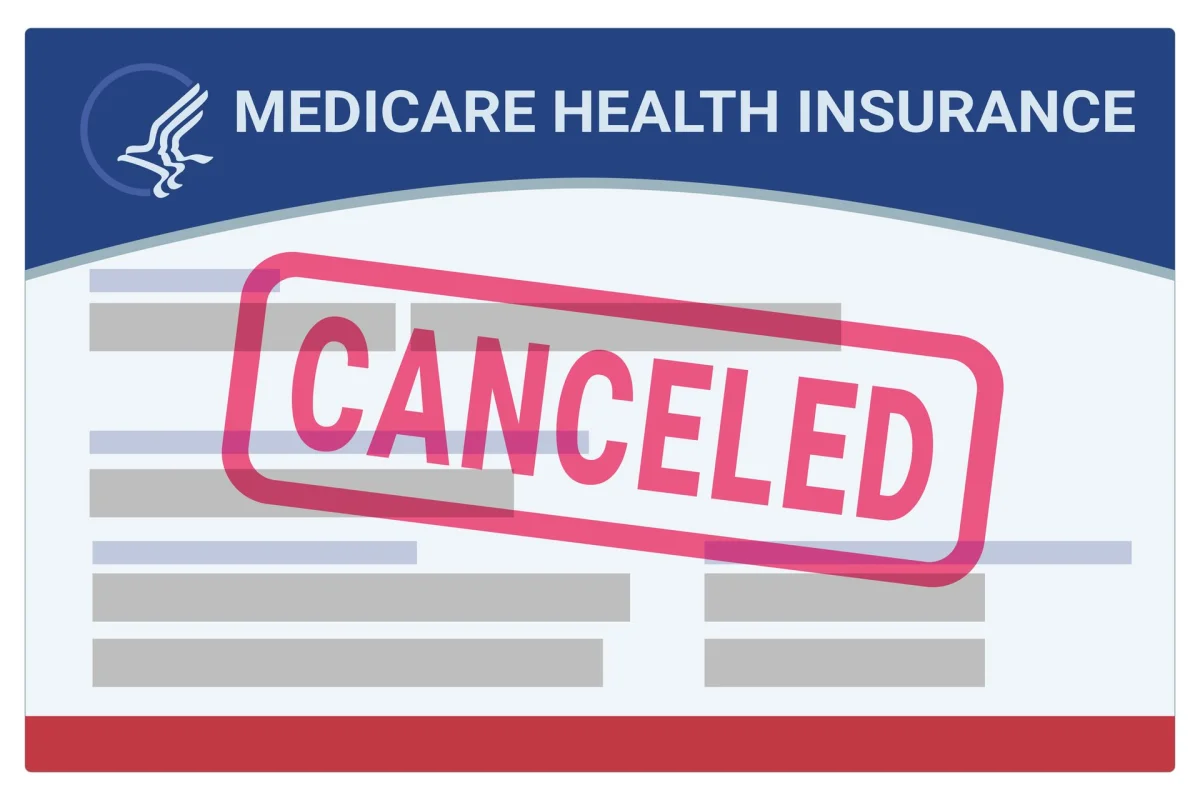
The Social Security Administration (SSA) processes millions of death records each year. It says its records are 99.7% accurate; errors and internal recording mistakes make up about one-third of 1% of the 2.9 million records it processes annually. Even a small error rate can affect thousands of people: estimates cited in the source put the number of living people mistakenly recorded as deceased at 7,000 to 12,000 a year.
An audit found that 24,219 beneficiaries were incorrectly marked as deceased between January 2020 and December 2024. The mistakes were recorded in Numident, the SSA’s database of Social Security card records, which feeds information to the Death Master File. The practical problem is that other organizations may use those records to check their own databases, so one incorrect entry can trigger several disruptions.
What an incorrect death record can interrupt
When a death record is shared, the effects can reach beyond monthly benefits. Social Security, Supplemental Security Income, Social Security Disability Insurance or pension payments may be suspended or recalled. Medicare coverage may be terminated, leaving medical claims unpaid or prescriptions difficult to fill.
Banks and credit unions may freeze accounts, reject deposits and stop automatic bill payments. Credit bureaus may flag the person’s Social Security number, limiting access to credit cards or credit lines. Employers and tax systems may also receive conflicting information, which can complicate work and tax filings.

These consequences can arrive before the person knows why a payment or service has stopped. That makes it useful to act quickly, keep records of each contact and ask each organization what it needs to correct its own files.
Start with an in-person visit
The SSA says an erroneous death marker must be resolved at a local office; it cannot be corrected by phone or online. Contact the office as soon as you discover the problem and arrange an in-person visit. Use the office locator, or call 1-800-772-1213. TTY users can call 1-800-325-0778. Phone hours are Monday through Friday, 8 a.m. to 7 p.m. local time.
Bring one or more original, unexpired documents that establish your identity. The SSA lists passports, driver’s licenses, employee identification, school records, marriage or divorce records, adoption records, health insurance cards other than Medicare cards, certified medical records, life insurance policies, court orders for a name change and church membership records. A birth certificate, utility bill or recent pay stub may also help establish identity.
Ask the SSA for a written notice confirming that the death report was erroneous. The source calls this an “Erroneous Death Case” notice and says the SSA may provide an “Erroneous Death Case - Third Party Contact” letter after verifying the person’s identity and correcting the record. Ask for more than one copy. Banks, medical providers and credit bureaus may need the document to update their records while electronic updates work their way through their systems.
Contact each affected provider
Once you have the notice, make a list of organizations affected and contact them directly. Keep a log of the date, the representative’s name and what they said to do next. If a correction stalls, the source suggests seeking help from a constituent services office; its contact details can be found through Find Your Representative.
- Banks and card issuers: Ask what they need to restore account access, deposits and automatic payments. Provide the SSA notice and follow up to confirm the changes have taken effect.
- Credit bureaus: Contact Experian, Equifax and TransUnion to dispute the deceased status and correct your credit file. The source links to credit bureau contact information, as well as contact pages for Experian, Equifax and TransUnion.
- Medicare and other health plans: Ask Medicare, Veterans Affairs or any other insurer to restore coverage and review denied claims. Medicare can be reached at 1-800-633-4227, 24 hours a day, seven days a week except some holidays; TTY users can call 1-877-486-2048. The VA health benefits hotline is 877-222-8387, Monday through Friday, 8 a.m. to 8 p.m. Eastern Time.
- Tax services: Contact the IRS if a filing is rejected or your records appear affected. The source lists 800-829-1040, available from 7 a.m. to 7 p.m. local time, and 844-545-5640 to schedule an appointment.
How these mistakes happen
The source describes simple typing mistakes by hospital workers, funeral directors or SSA clerks as common causes. A single mistyped digit in a Social Security number can attach a death report to the wrong person. Similar names, close birth dates or confusion between relatives with the same name can also lead to a mismatch. Incorrect information on formal documents, including information linked to identity theft, is another possible cause.
The source also cites a separate 2025 figure: about 5.6 million death records were posted to the Death Master File, and 12,504 were later identified as erroneous, or 0.22%. Because the article gives figures from different periods and records, they describe different snapshots; the key practical point is that a corrected SSA record may not immediately repair every connected account.
Keep copies of the SSA notice, identity documents and correspondence, and check back with each provider until benefits, coverage and account access are restored. An in-person correction is the first step; patient, organized follow-up helps carry that correction through the systems that rely on the record.