
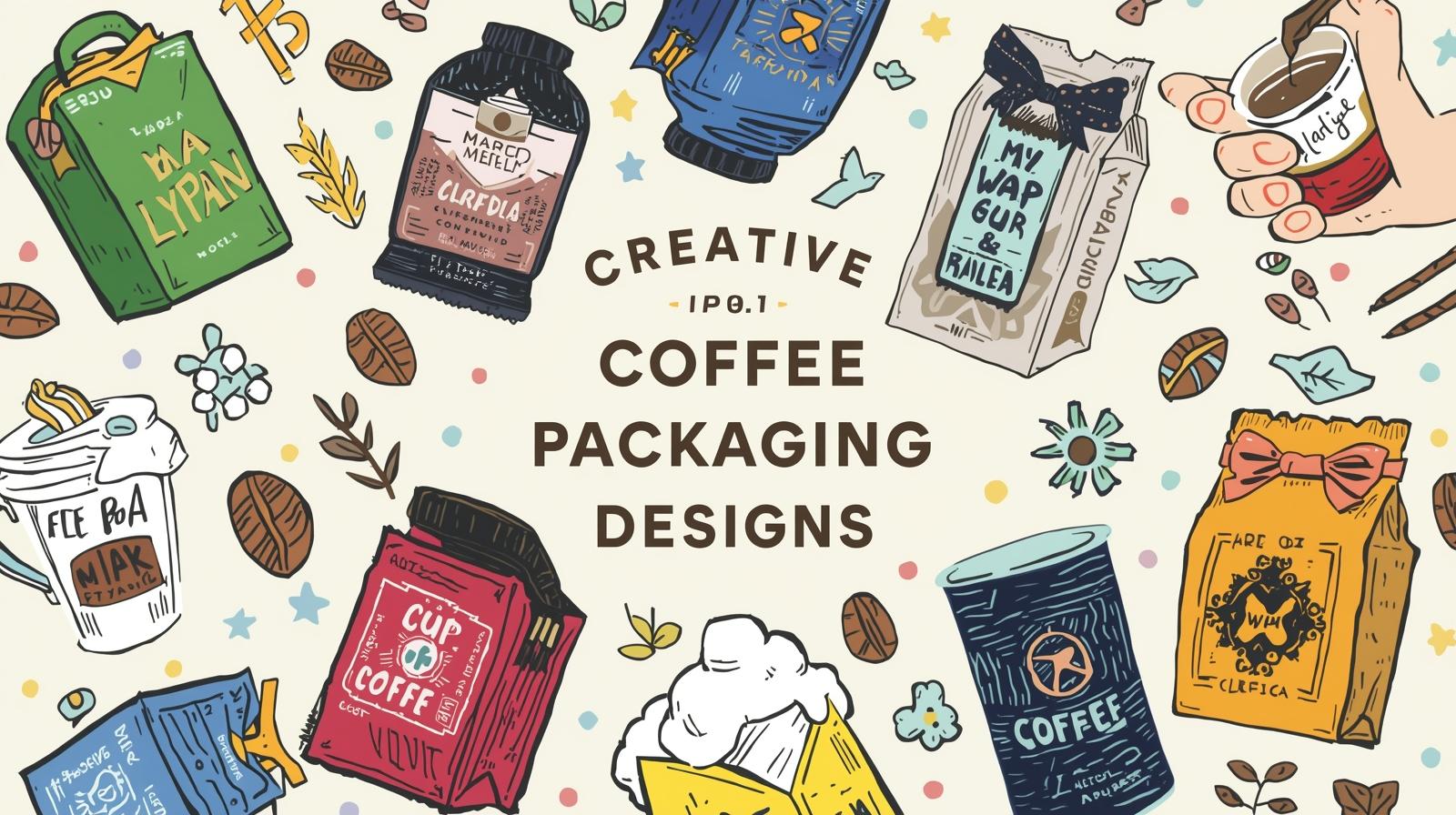
In today’s competitive coffee market, coffee packaging design is more than just a functional necessity, it’s a powerful tool for storytelling, branding, and differentiation. Whether you’re a specialty roaster or a large-scale brand, your packaging is the first point of contact with your customers. It speaks volumes about your brand identity, values, and commitment to quality. In this comprehensive guide, we’ll explore everything you need to know about
Kemasan mencerminkan identitas, nilai, dan komitmen merek Anda terhadap kualitas. Dalam panduan komprehensif ini, kami akan membahas semua yang perlu Anda ketahui tentang creative coffee packaging, from the latest 2025 trends to actionable tips for designing packaging that captivates and converts.
What Is Coffee Packaging Design & Why It Matters

At its core, coffee packaging design is about more than aesthetics. It’s a blend of functionality, marketing, and consumer psychology. For U.S. coffee brands, packaging serves several critical purposes:
- Brand Identity: Your packaging is your silent salesperson. It communicates who you are, what you stand for, and why customers should choose you.
- Freshness Preservation: Coffee is sensitive to light, air, and moisture. Effective packaging ensures your beans stay fresh and flavorful.
- Shelf Appeal: With hundreds of options on store shelves, your packaging needs to grab attention instantly.
- Customer Experience: Unboxing is part of the journey. Thoughtful packaging enhances the emotional connection between your brand and your customers.
According to a 2024 survey by Nielsen, 64% of consumers in the U.S. say packaging influences their buying decisions. This highlights the importance of investing in a design that resonates with your audience and aligns with their expectations.
Latest 2025 Trends in Coffee Packaging
The coffee industry is evolving rapidly, and so are packaging trends. Here’s what’s shaping the future of modern coffee packaging trends in 2025:
Minimalist Premium Designs
Minimalism continues to dominate as consumers seek simplicity and elegance. Clean lines, muted color palettes, and embossed textures create a sense of luxury. Think Scandinavian-inspired designs that emphasize sophistication without overwhelming the senses.
Bold & Maximalist Visuals
On the flip side, bold and vibrant designs are gaining traction among younger audiences. Bright colors, intricate patterns, and playful typography appeal to Gen Z and millennials, who value individuality and self-expression.
Interactive Packaging (QR, NFC, AR)
Interactive elements like QR codes, NFC chips, and augmented reality (AR) are transforming the unboxing experience. These features allow customers to access brewing guides, origin stories, or even virtual farm tours, adding value beyond the product itself.
Sustainable & Eco-Friendly Materials
Sustainability is no longer optional, it’s expected. Brands are adopting eco-friendly materials to meet consumer demand for environmentally responsible choices. This trend is especially strong in the U.S., where 83% of millennials prefer sustainable packaging (Source: Forbes).
Convenience-Focused Packaging Features
From resealable bags to single-serve pods, convenience is king. Modern consumers want packaging that fits seamlessly into their busy lifestyles while maintaining freshness and ease of use.
How to Create Effective Coffee Packaging (Step-by-Step)

Designing impactful coffee packaging requires careful planning and execution. Follow these steps to ensure success:
Identify Your Target Audience
Who are you designing for? Are they urban professionals seeking premium blends or eco-conscious millennials prioritizing sustainability? Understanding your audience is the foundation of effective packaging.
Choose the Right Packaging Format
Options include:
- Stand-up pouches with valves
- Tin cans for a classic look
- Boxes for specialty editions
- Single-serve pods for convenience
Each format has pros and cons, so select one that aligns with your brand and product type.
Select Colors & Typography
Colors evoke emotions, while typography conveys personality. Use a cohesive palette and fonts that reflect your brand’s tone, whether it’s modern, rustic, or playful.
Craft a Unique Brand Story
Your packaging should tell a story. Highlight your sourcing practices, roast profiles, or community impact to build an emotional connection with buyers.
Choose Printing Methods & Finishes
Consider finishes like matte, glossy, or textured coatings to enhance visual appeal. Advanced printing techniques such as foil stamping can elevate your design further.
Follow U.S. Labeling Requirements
Ensure compliance with FDA regulations regarding ingredient lists, allergens, and net weight disclosures. Failure to do so can lead to costly recalls.
Creative Coffee Packaging Design Ideas
Looking for inspiration? Here are some innovative ideas to spark your creativity:
Seasonal Editions
Create limited-edition packaging for holidays like Christmas or Valentine’s Day. These designs not only boost sales but also generate buzz on social media.
Personalized Labels
Offer customizable labels for weddings, corporate gifts, or special occasions. Personalization adds a unique touch that customers love.
Illustrated Storytelling
Use illustrations to depict your coffee’s journey, from farm to cup. This approach engages consumers visually and emotionally.
Cultural Inspirations
Draw inspiration from global cultures to celebrate diversity. For example, Ethiopian motifs for African coffees or Japanese art for Asian blends.
Strategic Use of Color Psychology
Leverage color psychology to influence perception:
- Warm colors (red, orange)
Energize and stimulate appetite.
- Cool colors (blue, green)
Build trust and calmness.
- Earthy tones (brown, beige)
Emphasize sustainability and natural origins
Eco-Friendly Materials for Coffee Packaging

As sustainability becomes a top priority, here are some eco-friendly materials to consider:
Compostable Options
Compostable bags break down naturally, reducing waste. They’re ideal for brands targeting environmentally conscious consumers.
Biodegradable Films
Made from plant-based materials, biodegradable films offer an alternative to traditional plastics.
Recyclable Paper & Boxes
Paper-based packaging is widely recyclable and often perceived as more sustainable.
Post-Consumer Recycled Materials
Using recycled content reduces environmental impact while appealing to eco-aware buyers.
American consumers are increasingly favoring brands that prioritize sustainability. A 2023 study found that 78% of U.S. shoppers would pay more for eco-friendly products.
Modern Packaging Technologies
Technology is revolutionizing how brands interact with customers through packaging:
QR Codes for Brewing Guides & Origin Stories
QR codes provide instant access to digital content, enhancing the customer experience.
NFC for Authentication & Premium Experience
Near Field Communication (NFC) chips verify authenticity and unlock exclusive content, making high-end products feel even more luxurious.
AR Features for Storytelling
Augmented reality brings static designs to life, allowing users to engage with interactive elements via their smartphones.
Younger generations, particularly Gen Z and millennials, crave immersive experiences. Incorporating tech-savvy features can set your brand apart.
Coffee Label Design Tips
Labels play a crucial role in communicating essential information clearly and attractively. Keep these tips in mind:
Typography & Hierarchy
Use font sizes and styles to establish a clear hierarchy. Important details like the brand name and roast type should stand out.
Clear Layouts & Readability
Avoid clutter. Leave enough white space to make text easy to read at a glance.
Icons & Brewing Symbols
Icons simplify complex information, such as brewing instructions or certifications.
Legal Requirements
Always include mandatory details like net weight, ingredients, and nutritional info to avoid legal issues.
Color Psychology in Coffee Packaging
Understanding how colors affect perception can help you make informed design decisions:
Warm Colors for Energy
Reds and oranges convey excitement and passion, perfect for bold, adventurous blends.
Cool Colors for Trust
Blues and greens instill confidence and reliability, ideal for organic or fair-trade coffees.
Earthy Tones for Sustainability
Browns and greens resonate with eco-conscious consumers, emphasizing natural and ethical sourcing.
Common Mistakes to Avoid
Even experienced designers can fall into traps. Watch out for these pitfalls:
Cluttered Labels
Too much information overwhelms customers. Stick to key messages.
Confusing Brand Identity
Ensure consistency across all touchpoints to avoid diluting your brand image.
Low-Quality Printing
Invest in high-quality printing to maintain professionalism and credibility.
Lack of Clear Information
Missing details frustrate buyers and harm trust.
Final Tips for Building a Global Coffee Brand
To succeed globally, focus on these principles:
Combine Creativity, Functionality & Sustainability
Balance innovation with practicality and eco-consciousness to meet diverse consumer needs.
Focus on Customer Experience
Every interaction matters. Make your packaging memorable and meaningful.
Think Beyond Packaging: Build a Story
Great brands transcend products, they create movements. Use your packaging to amplify your narrative.
In conclusion, coffee packaging design is both an art and a science. By staying ahead of trends, embracing sustainability, and prioritizing customer experience, you can craft packaging that not only protects your product but also inspires loyalty and admiration.
Remember, every bag, box, or tin is an opportunity to share your passion and connect with coffee lovers worldwide. Cheers to crafting unforgettable coffee experiences! ☕