First day cover ·
22 House Cleaning Schedules for Busy Homes and Changing Routines
Compare 22 flexible cleaning plans by time, household and method, with realistic estimates of what each covers and leaves for later.

A cleaning schedule works when it fits the time and help a household actually has. These 22 options range from a few minutes of upkeep each day to one focused hour a week, with variations for different rooms, routines, work schedules and family arrangements.
Each plan comes with a trade-off. A short routine keeps the most visible mess under control but leaves deeper cleaning for later. A room or task rotation gives you structure without a full-house cleaning day, while household-specific plans share the work around the people and time available. The estimates below are for an average-size home and will vary with its layout, clutter and number of occupants.

Plans for the Time You Have
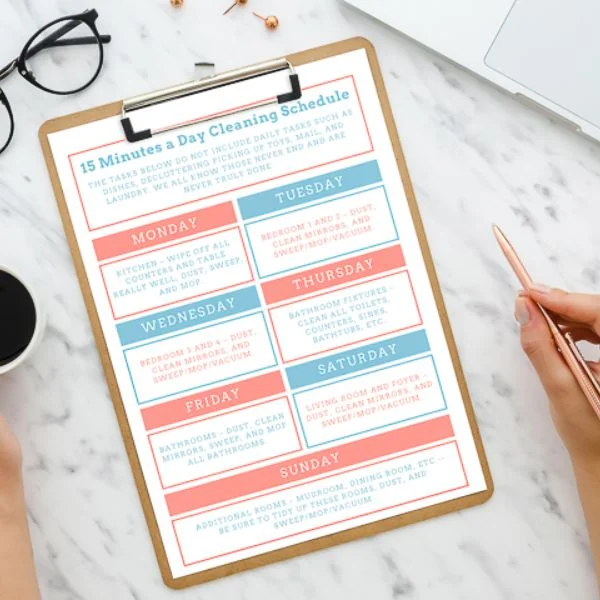
1. Fifteen minutes a day
Pair one daily anchor task with a small rotating job. The routine can happen in the morning, at lunch or while dinner cooks; it doesn’t depend on having a quiet evening.
- Every day: Clear the dishes and wipe one counter.
- Monday: Clean the bathroom sink and toilet.
- Tuesday: Vacuum the main walkway.
- Wednesday: Wipe the kitchen table and chairs.
- Thursday: Complete one load of laundry from start to finish.
- Friday: Clear flat surfaces.
Time: About 13 to 16 minutes in an average-size home, or closer to 18 minutes if the sink is full.
Cost: No purchase is needed. A phone timer works; a separate timer costs about $5 at Walmart. The printable schedule is free.
Trade-off: Mopping, tubs and showers, bedding, dusting, and cleaning behind or under furniture are left out. This is upkeep, not a deep-cleaning plan.
2. The under-an-hour plan
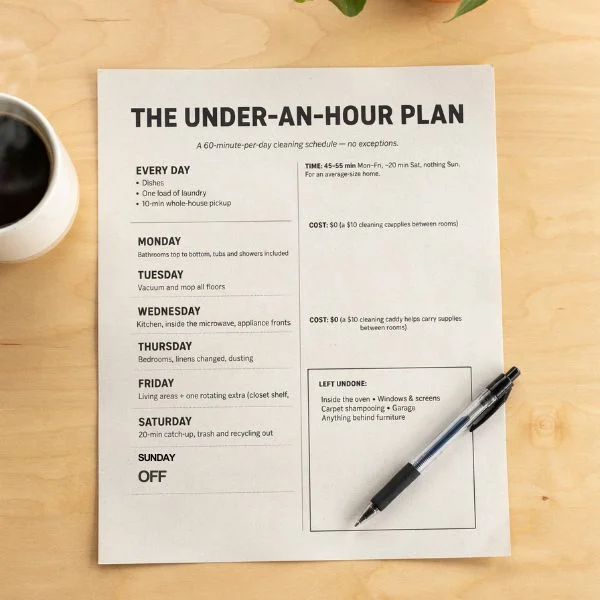
This plan spreads a fairly broad list of chores across the week, with a firm cap of 60 minutes on any day and Sunday off. It suits households that can make room for regular weekday blocks but want to avoid a marathon cleaning session.
- Every day: Do the dishes, run one load of laundry and spend 10 minutes picking up throughout the home.
- Monday: Clean bathrooms, including tubs and showers.
- Tuesday: Vacuum and mop all floors.
- Wednesday: Clean the kitchen, including the microwave interior and appliance fronts.
- Thursday: Tidy bedrooms, change linens and dust.
- Friday: Clean living areas and choose one extra, such as a closet shelf, light fixtures or one room’s baseboards.
- Saturday: Spend 20 minutes catching up and take out trash and recycling.
- Sunday: Take the day off.
Time: About 45 to 55 minutes Monday through Friday, 20 minutes Saturday and none Sunday.
Cost: No purchase is required. A $10 cleaning caddy can make it easier to carry supplies between rooms.
Trade-off: The oven interior, windows and screens, carpet shampooing, the garage and areas behind furniture aren’t scheduled.
3. A timer day inspired by FlyLady
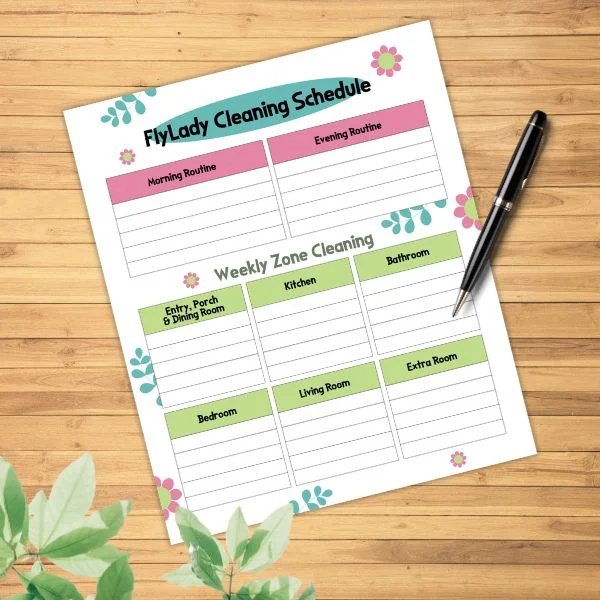
Choose the area due for attention, set a timer for 25 minutes and stop when it rings, even if the job isn’t finished. The task waits until that area comes around again. This boundary helps keep one difficult room from taking over an entire evening.
- Every day: Do the dishes and take two minutes to sweep visible surfaces.
- Then: Work for 25 minutes in the area currently in rotation.
Time: About 27 to 30 minutes altogether, including the dishes and surface sweep.
Cost: Free with a phone or kitchen timer; a dedicated timer costs about $5 at Walmart.
Trade-off: Areas outside the current rotation may stay untouched, including bathrooms, until their turn returns. This approach works best if you can tolerate uneven results across rooms.
4. One hour a week, total
When there’s only one available hour in the week, divide it into short blocks and treat the plan as basic maintenance. Set a timer for each section so one messy room doesn’t consume the whole session.
- First 20 minutes: Work through the kitchen, from dishes to the floor.
- Next 15 minutes: Clean bathroom sinks and toilets.
- Next 15 minutes: Vacuum the main living areas.
- Last 10 minutes: Take out the trash, clear flat surfaces and start one load of laundry.
Time: 55 to 60 minutes once a week, with no scheduled cleaning on the other six days.
Cost: Free. The one-page printable fits in a planner or on the fridge; a dollar-store binder costs about $5 if you want a dedicated place for it.
Trade-off: Bedrooms, dusting, mopping, bedding changes, additional laundry and the back half of the home don’t fit. This plan is useful during a particularly demanding period, but it won’t keep every room current.
Plans Built Around a Cleaning Method
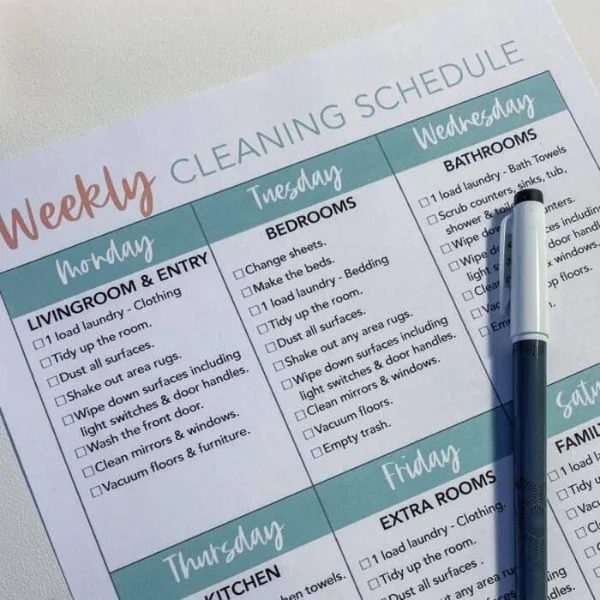
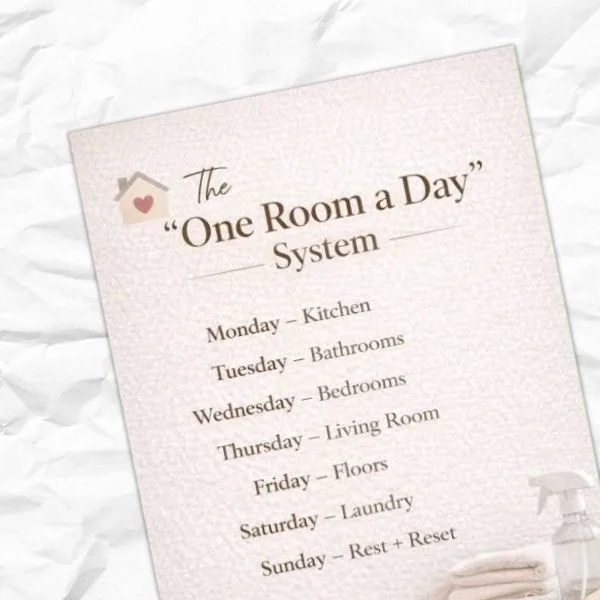
5. One room a day
Give one room or small area its own session, finish what fits and leave the rest for its scheduled day. The plan replaces a big weekend cleaning block with shorter weekday sessions.
- Monday: Kitchen
- Tuesday: Bathrooms
- Wednesday: Living room and entry
- Thursday: Bedrooms
- Friday: Laundry area and hallway
- Saturday and Sunday: Off
Time: About 20 to 30 minutes per day, or closer to 35 minutes on kitchen day.
Cost: No purchase is needed. Microfiber cloths cost about $6 if your current ones are worn out, and the printable schedule is free.
Trade-off: Rooms wait between scheduled days, and the garage, basement and porch aren’t included. The method favors completing one area over doing a partial pass through several.
6. Zone cleaning
Divide the home into five zones and spend a week focusing on one before moving to the next. After five weeks, begin the rotation again. This suits people who prefer to work more deeply in one part of the home rather than skim across every room each day.
- Zone 1: Kitchen and eating area
- Zone 2: Bathrooms
- Zone 3: Living and family spaces
- Zone 4: Bedrooms
- Zone 5: Entry, laundry and hallways
Each day, spend 10 minutes on basic whole-home upkeep, such as dishes, one load of laundry and a quick floor pass. Then work for 15 to 20 minutes in that week’s zone.
Time: About 25 to 35 minutes a day.
Cost: Free if you draw the zones on paper. A dollar-store notebook costs about $3.
Trade-off: Four zones receive only quick upkeep while one gets the focus. A guest bathroom, for example, may go a month without more than a wipe-down.
7. Every other day
Alternate cleaning days with days off. This routine suits someone who can manage a focused session every 48 hours but doesn’t want a daily chore list.
- Monday: Kitchen and floors
- Tuesday: Off
- Wednesday: Bathrooms and surfaces
- Thursday: Off
- Friday: Bedrooms, laundry and entry
- Weekend: Off
Time: About 30 to 40 minutes on cleaning days. On off days, allow about five minutes for dishes and trash.
Cost: Nothing is required. A replacement mop costs about $15 if needed.
Trade-off: Floors may go two days between cleanings, which can be a poor fit for homes with pets or muddy footwear. Bedding, closets and the inside of the fridge aren’t covered.
8. Task-type days
Group chores by job instead of by room: floors together, bathrooms together and laundry on its own day. This cuts down on switching supplies and tasks, which can help people who prefer to focus on one kind of work at a time.
- Monday: Laundry
- Tuesday: Floors
- Wednesday: Bathrooms
- Thursday: Dusting and surfaces
- Friday: Kitchen reset
Time: About 25 to 35 minutes per day. Floor day may take longer in a multilevel home.
Cost: Free. A set of microfiber dusting cloths costs about $6 if you don’t already have them.
Trade-off: Each job type comes around weekly, so floors may be a week old by the next floor day. A longer weekly interval may not suit homes that get dirty quickly.
9. The pick-three method
Skip fixed chore days and keep a running list. Each morning, choose three tasks: one that will make a visible difference, one that gets harder if ignored, and one you’ve been putting off.
- Visible: Wipe the kitchen counters and table.
- Builds up: Start a load of laundry, even if folding waits.
- Put off: Clear the pile on the stairs.
Time: About 20 to 30 minutes for three average tasks.
Cost: Free with a sheet of paper on the fridge. A dedicated notepad from Walmart costs about $2.
Trade-off: Anything you never select can stay on the list indefinitely. Marking the task you’ve avoided before starting can keep the choices from shrinking to the same easy jobs each day.
10. High-traffic first
Put the most-used rooms at the center of the routine. Clean the kitchen, main bathroom and entry daily, then give the other rooms one weekly pass. This can help a home look presentable when visitors might arrive without much notice.
- Daily: Wipe kitchen counters and sink, clean the main bathroom and sweep the entry floor.
- One weekday: Clean bedrooms, the living room and a second bathroom.
- Weekend: Off.
Time: About 18 to 25 minutes a day for the daily areas, plus 30 to 40 minutes on the weekly cleaning day.
Cost: Free. A $5 dollar-store tray by the door can help keep the entry organized.
Trade-off: Low-traffic rooms may go weeks without attention. Guest rooms, formal dining rooms and basements need to be added deliberately if you want them maintained.
11. A built-in catch-up day
Give the week room for interruptions by reserving Friday for missed tasks. This plan assumes that a chore may slip and limits the catch-up list so it doesn’t take over the weekend.
- Monday through Thursday: One light set of tasks each day, about 20 to 25 minutes.
- Friday: Catch up for up to 45 minutes.
- Weekend: Off.
Time: About 20 to 25 minutes most days, with a maximum of 45 minutes on Friday.
Cost: Free. A $7 dry-erase calendar can make rolled-over tasks easier to see.
If everything got done, Friday is clear. If several jobs slipped, choose the two that matter most and let the rest wait.
Trade-off: A third missed task can roll into the next week, and the plan doesn’t include seasonal or deeper cleaning.
Plans for the People at Home
12. Split between two adults
Assign jobs by task so each adult owns a clear set of responsibilities from start to finish. The goal is to make ownership visible and reduce the need to renegotiate who does what each week.
- Adult 1: Kitchen and dishes every day.
- Adult 2: Floors, trash and the mail pile every day.
- Adult 1: Bathrooms on Tuesday and Friday.
- Adult 2: Laundry on Wednesday and Saturday.
- Both: A 10-minute whole-home reset on Sunday.
Time: About 15 to 20 minutes per adult each day, closer to 30 minutes on bathroom or laundry days.
Cost: Free. A $6 wall calendar can keep assignments visible, and the printable provides a place to write them down.
Trade-off: Windows, baseboards, the inside of the fridge and the garage aren’t assigned. Set aside a separate session if these jobs need attention.
13. With a baby
Break chores into short blocks that can fit around naps and changes in the day. The target is basic function, especially a usable kitchen, rather than a spotless house.
- First nap: Do the dishes and wipe kitchen counters.
- Second nap: Start one load of laundry and begin folding.
- When the baby is awake and content: Make a quick pass over the main living-area floor.
- One longer nap each week: Clean the bathroom sink and toilet.
Time: About 20 to 25 minutes a day, divided into blocks of roughly 8 to 10 minutes.
Cost: Free. A $10 caddy can help move supplies between rooms, and the printable can go inside a cabinet door for easy reference.
Trade-off: Dusting, bedrooms other than the main bedroom, and jobs requiring two hands and a quiet stretch are left out.
14. With toddlers
Choose jobs that can be paused quickly when a child needs attention. This routine uses brief windows through the day, rather than relying on a long, predictable block.
- At breakfast: Handle dishes while the child is seated and eating.
- Midmorning: Wipe one surface.
- During nap or quiet time: Spend 15 minutes resetting the room used most.
- Before bed: Pick up toys together for five minutes.
Time: About 25 to 30 minutes a day, usually in several short sessions.
Cost: Free. An $8 toy bin can make cleanup easier to organize.
Trade-off: Mopping, closets, areas under beds and the car aren’t included. The plan prioritizes tasks that are easier to stop and resume.
15. With school-age kids
Give children real responsibility for their own belongings and one shared job. This plan assumes children ages six to 11 can handle the listed tasks with assignments written somewhere the family can see.
- After school, children, 10 minutes: Tidy bedrooms and put away backpacks, shoes and lunchboxes.
- While homework happens, adult, 15 minutes: Reset the kitchen.
- Tuesday: Children wipe bathroom mirrors and counters.
- Thursday: One child vacuums.
- Saturday, 20 minutes: The family tidies shared rooms together.
Time: About 20 to 25 minutes for the adult and 10 minutes for each child per day.
Cost: Free. A sticker chart from Target costs about $5 if a physical reminder would help.
Trade-off: Baseboards, light fixtures, behind the couch and the oven interior remain outside the routine.
16. With teenagers
Set deadlines for a few responsibilities and let teenagers choose when to complete them. That creates room for their own schedules while making the expected result clear.
- Teenager: Maintain their room and do their laundry by Sunday night, at a time of their choosing.
- Teenager: Take out trash and tidy one shared space for 10 minutes each night.
- Adult: Clean the kitchen and counters daily for 15 minutes.
- Weekend: Adults and teenagers alternate bathroom cleaning each week.
Time: About 15 to 20 minutes a day for the adult and 10 to 15 minutes for each teenager.
Cost: No purchase is needed.
Trade-off: A teenager’s room may wait until Sunday, and dusting and windows aren’t scheduled. The plan depends on clear deadlines and follow-through.
17. Working from home
Limit household resets to lunch and the end of the workday so chores don’t repeatedly interrupt work. Two set windows give mess a place in the day without turning every break into a cleaning session.
- Lunch, 10 minutes: Do the dishes, wipe counters and start laundry.
- End of the workday, 12 to 15 minutes: Tidy the desk area, make a floor pass through main rooms and move the laundry along.
- Friday shutdown: Add 15 minutes for the bathroom.
Time: About 22 to 28 minutes a day in two blocks. A cluttered week may take longer.
Cost: Free. A $10 desk caddy can keep work supplies separate from household items.
Trade-off: Bedrooms, dusting, the oven and anything that would interrupt a meeting aren’t covered.
18. A multigenerational household
Give each adult responsibility for their own bedroom and bathroom, then rotate ownership of shared areas. This can help make household work visible when several adults share a home.
- Each adult: Maintain their own bedroom and bathroom on their own schedule.
- Kitchen: One person is responsible Monday through Sunday, then the assignment rotates weekly.
- Living areas: Whoever is home joins a 10-minute nightly reset.
- Sunday, 20 minutes: Everyone works on shared spaces together.
Time: About 15 to 20 minutes per person per day.
Cost: Free to set up. A $12 dry-erase board can make the rotation easier to see; post the printable where everyone passes it, such as the fridge.
Trade-off: Shared storage, the basement, garage and an unclaimed hall closet can fall outside the plan.
19. An empty nest for two
With fewer people at home, a short rotation may be enough to prevent chores from piling up. This sample leaves one flexible slot for cleanup after visitors.
- Monday and Thursday: Wipe down the kitchen, 15 minutes.
- Tuesday: Clean bathrooms, 15 minutes.
- Wednesday: Clean floors, 20 minutes.
- Friday: Do laundry and change sheets, 20 minutes.
- After visitors: Spend 15 minutes tidying the same day.
Time: About 15 to 20 minutes a day.
Cost: No cost beyond the time. A $10 caddy can keep supplies together.
Trade-off: The guest room between visits, high shelves and closets holding children’s belongings aren’t part of the regular rotation.
Plans for Work Schedules and Solo Households
20. Working outside the home
Keep weeknight cleaning short and assign longer chores to one weekend block. The routine accounts for the limited energy and time many people have after a workday.
- Monday through Thursday: Reset the kitchen and wipe one set of surfaces after dinner.
- Friday: Take the night off.
- Saturday: Clean floors and bathrooms.
- Sunday: Do laundry and fold it while watching something.
Time: About 20 minutes on weeknights and 35 to 40 minutes Saturday.
Cost: Free. A replacement mop head costs about $15 if Saturday’s floor session wears yours out.
Trade-off: The inside of the fridge, window tracks and under-bed storage aren’t included.
21. Shift work or changing hours
Arrange tasks by where you are in a work stretch, rather than attaching them to weekday names. This lets the sequence move with changing hours and can help households where one person needs to sleep while another is awake.
- First day of a work stretch: Clean the kitchen and one bathroom.
- Middle workdays: Do a 10-minute reset, with no noisy jobs.
- Last day of a work stretch: Clean the floors.
- First day off: Complete one load of laundry.
- Second day off: Choose one catch-up task.
Time: About 10 minutes on workdays and 25 to 30 minutes on days off.
Cost: Free with household supplies. A $10 whiteboard calendar can help track the current point in the rotation.
Trade-off: Dusting, the microwave interior and bathroom mirrors beyond quick spot cleaning are left out.
22. A single-parent household
Keep the weekday list to one main task a day, leave Friday clear and reserve one flexible 30-minute block for the weekend. That built-in space can make the routine easier to resume after a couple of difficult days.
- Monday: Kitchen
- Tuesday: The bathroom everyone uses
- Wednesday: Floors in the main living area
- Thursday: Laundry
- Friday: No scheduled cleaning
- Weekend: One 30-minute block whenever it fits.
Time: About 15 to 20 minutes on weekdays, plus one 30-minute weekend block.
Cost: Free. A $2 notepad on the fridge can hold the task list.
If children are old enough to help, assigning them laundry transfers is one manageable option: it takes little supervision and moves the load along.
Trade-off: The second bathroom, baseboards and closet floors aren’t covered.
Choose the schedule that fits this week
A plan can be useful even when it leaves some chores for later. Start with the amount of time you can reliably spare, then choose a method that matches how you like to work: a short daily routine, one room at a time, a task rotation or a household split. Adjust it when work, childcare or the people at home change. The schedule most likely to last is the one you can return to after an untidy week.