First day cover ·
18 Carpet Stain Fixes for Winter Salt, Mud and Holiday Spills
Match your cleaning method to the mess: blot spills, lift dry grit first and use careful steps for salt, food, wax and pet stains.

Winter carpet stains are easier to manage when you match the cleanup to the mess. Salt needs dissolving, mud needs drying, and grease needs absorbing. Scrubbing or adding water too soon can spread a small spot or push it deeper into the carpet.
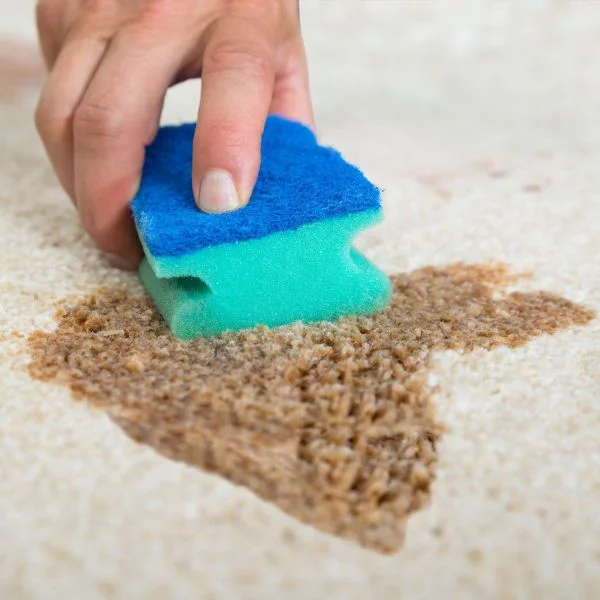
Keep a few white cloths, a spray bottle and basic supplies nearby, then start with two habits that help almost every cleanup: blot instead of rub, and test cleaning mixtures somewhere hidden first.

Start with a careful cleanup
1. Blot spills instead of rubbing
Rubbing can spread a spill and force liquid into the carpet backing and padding. It can also rough up carpet fibers, leaving a dull patch after the stain fades.
Press a clean white cloth or folded paper towels straight down on the spill. Lift, move to a dry part of the cloth, and press again. Work from the outer edge toward the middle to keep the spot from growing. White cloth matters: a dyed towel can transfer its color to damp carpet.
There’s no waiting time, and each spot takes less than a minute to blot. Use paper towels or clean rags you already have.
2. Test a solution in a hidden spot
Carpet fibers and dyes can react differently to the same cleaner. Before applying a mixture where a mark is visible, try a small amount in a closet, under a sofa or behind a door.
Dab it on with a clean white cloth, wait five to 10 minutes, then blot. If carpet color appears on the cloth, don’t use that solution on the stain. Test again whenever you switch products or mixtures, including diluted vinegar.
The check takes about five minutes. It can help you avoid trading a stain for a patch of faded carpet.
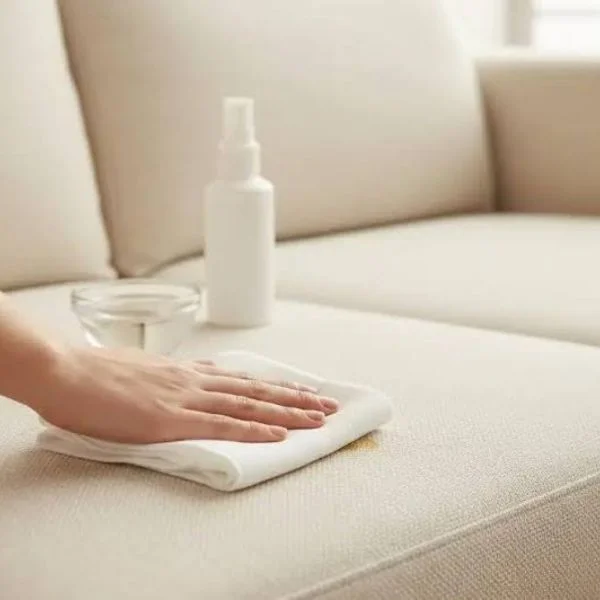
3. Remove salt rings from winter boots
White rings around an entryway often come from salt residue. Plain water can spread the mark, while a roughly equal mix of warm water and white vinegar helps dissolve the salt.
Dab the mixture onto the ring with a white cloth, moving from the outside toward the center. Wait five minutes, blot again, then rinse with plain warm water and blot dry. Allow a few hours for the carpet to dry fully; active work takes about 15 minutes.
Check the care label before using vinegar on wool rugs, since cleaning guidance depends on the fiber.
4. Let tracked-in mud dry before cleaning
Wiping wet mud tends to make a wider brown smear. Give the spot several hours or overnight to dry, then vacuum it in two directions to lift loose soil.
If a shadow remains, mix a teaspoon of dish soap with two cups of warm water. Blot the mixture onto the mark, wait five minutes, rinse with plain water and blot dry. Once the mud has dried, the active cleanup takes about five to 10 minutes.
Patience can save you a lot of scrubbing. Leave the wet cloth in the cupboard until the mud is dry.
5. Vacuum grit before using liquid
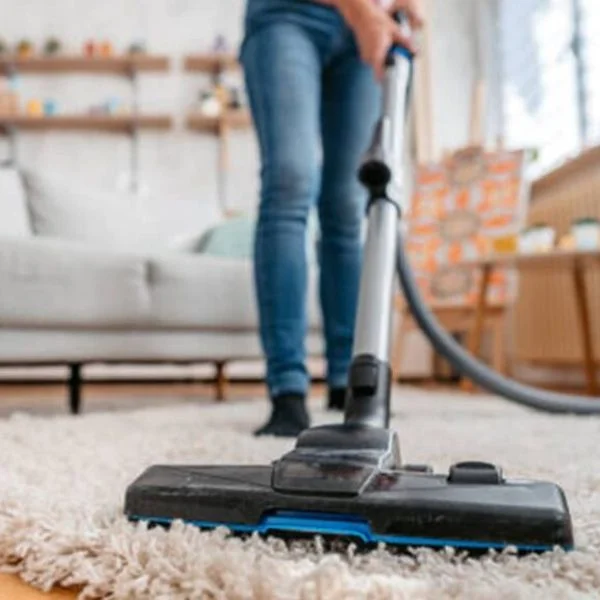
Salt crystals, sand and dried mud can turn into paste when they meet cleaning solution. Vacuum slowly first, making several passes in different directions. Use a crevice tool along the baseboards and around the doorway, where grit often collects.
Spend two or three minutes on the area instead of giving it one quick pass. If particles feel ground in, loosen them with a stiff brush, then vacuum again. Removing dirt while it’s dry means less to push around with a damp cloth.
6. Use a weighted towel on a soaked spot
When a spill reaches the padding, blotting only the surface may leave moisture underneath. That liquid can rise back up as the carpet dries, bringing the stain with it.
Cover the spot with a thick stack of paper towels or a clean white bath towel. Place something heavy on top, such as books or a cast iron pan set on a plate, and leave it for 15 to 20 minutes. Replace the damp towels with dry ones and repeat once.
Active work takes about five minutes over roughly half an hour. Clean towels and a household weight are enough.
7. Pick up ice melt pellets while they’re dry
Blue and green ice melt pellets can leave dye behind after they dissolve. Sweep loose pellets onto a dustpan with a stiff brush, then vacuum the area. Wait until every pellet is gone before adding water, since moisture can release the dye into the carpet.
If a pellet has already dissolved and left a faint blue cast, use the warm water and vinegar method for salt stains. Blot gently instead of scrubbing. A washable entry runner can catch some pellets before they reach the carpet.
8. Dry the carpet all the way through
A cleaned patch can develop a ring if moisture remains in the backing. As it evaporates, moisture can carry dissolved salt and soil back toward the surface.
Blot with dry towels until a fresh one comes away barely damp. Point a box fan at the area or direct a floor vent toward it, and allow several hours for drying. Check the next morning by pressing a dry paper towel into the fibers.
Let the carpet dry before deciding that a stain has returned. The next morning’s check can tell you whether the cleanup is complete.
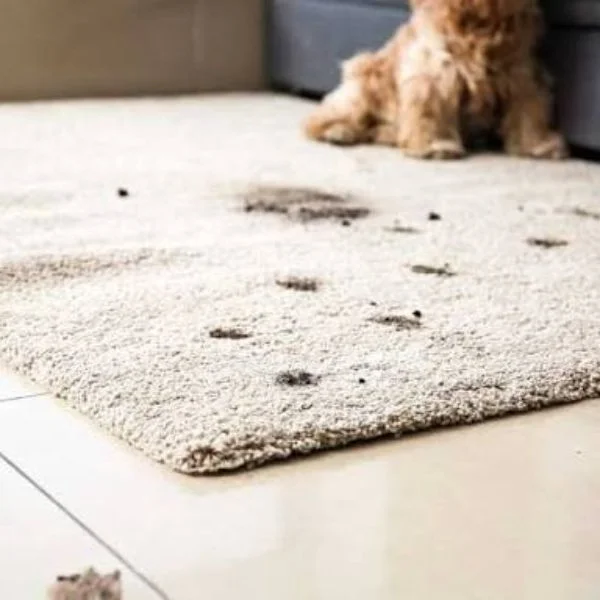
Holiday food and household spills
9. Red wine
First blot up as much wine as possible with a clean white cloth, working from the edge toward the middle. Blot again with cold water to dilute what remains.
For light-colored carpet only, mix a teaspoon of dish soap, a tablespoon of 3% hydrogen peroxide and two cups of warm water. Dab it on, wait five minutes, blot, then rinse with plain water and blot dry. The active work takes about 15 minutes.
Hydrogen peroxide can lighten dark carpet. Test it in a hidden spot first, and never combine it with vinegar in one container.
10. Grease and butter
Water can spread oil through carpet fibers, so start by lifting any solid butter or food with a spoon. Cover the greasy area with cornstarch or baking soda and leave it for 15 to 30 minutes. The powder helps draw oil out of the fibers. Vacuum it away, then blot any remaining shadow with a teaspoon of dish soap mixed into two cups of warm water. Rinse and blot dry.
Most of the half hour is waiting. If a greasy mark remains, repeat the powder step before using more liquid.
11. Hot chocolate and coffee
Coffee can leave a darkening tannin mark as it dries. Hot chocolate adds milk fat and sugar, so deal with both the liquid and the residue. Blot first with a dry cloth, then with cold water. Avoid warm water at the start.
Mix a tablespoon of white vinegar and a teaspoon of dish soap with two cups of cool water. Work from the outside in, let it sit for three to five minutes, and blot. Rinse with plain water, then press a dry towel into the carpet to pull out moisture. The active work takes around 15 minutes; allow a few hours for drying.
12. Gravy and other food spills
Lift solid food with a spoon, scraping toward the center so it doesn’t spread. Blot the remaining spill with cold water, then dab with warm water containing a few drops of dish soap. Wait five to 10 minutes, blot again, rinse and press a dry towel into the spot.
If a greasy shadow remains, use the cornstarch method. Plan on 15 to 20 minutes of active work. Skip hot water, which can set protein from meat drippings into the fibers.
13. Eggnog and other dairy
Dairy residue can sour in carpet as it dries, so blot up as much liquid as you can. Treat the area with cold water and a teaspoon of dish soap mixed into two cups of water. Wait about five minutes, blot, then rinse.
If an odor remains after the carpet dries, lightly mist a half-and-half mix of white vinegar and water, then blot again. Avoid hot water and steam on fresh dairy spills because heat can set the protein into the fibers. The active cleanup takes about 15 minutes.
14. Candle wax
Hold an ice cube inside a sandwich bag against the wax for three to five minutes, until the wax hardens. Chip it away with a dull butter knife, pulling toward the center of the spot.
For wax that remains, place a piece of paper grocery bag over it. Set an iron to low with no steam and press for a few seconds at a time. Lift the iron often, and move the bag to a clean section as wax transfers. This can take about 20 minutes and sometimes needs a second round.
Keep the iron on low: high heat can melt synthetic carpet fibers. If dye remains after the wax is gone, dab with rubbing alcohol, testing a hidden area first.
15. Glitter
Don’t vacuum glitter first. A vacuum’s beater bar can scatter it and push it deeper into the pile.
Press packing tape sticky side down over the glitter, lift straight up, and repeat with fresh tape until it stops collecting pieces. A lint roller can cover more ground. Once you’ve lifted what you can, vacuum slowly with the hose attachment. A small area usually takes less than five minutes.
16. A stain discovered after the holidays
Old stains can sometimes respond to the same method as fresh ones, but they may need moisture first. Mist the spot with warm water until it’s damp through the carpet, and let it soften for five to 10 minutes.
Choose a treatment that matches the original spill: hydrogen peroxide for wine on light-colored carpet, cornstarch for grease or dish soap for food. Expect two or three rounds, allowing the area to dry fully between them. If a shadow remains after the third round, a rental carpet machine is one option to consider.
Pet and kid-related messes
17. Pet urine
Blot for longer than you think you need to. Press a thick stack of paper towels or an old white towel into the spot, replace it when damp and repeat until little moisture comes up.
Then apply an enzyme cleaner according to its label. Enzymes break down uric acid, which ordinary soap can dilute without fully removing. Follow the product’s timing instructions; the active cleanup takes about 10 minutes.
Avoid ammonia-based sprays, which can smell like urine to a pet and draw it back to the same spot. Skip heat on fresh urine, too.
18. An odor you can smell but can’t see
A small UV blacklight flashlight can help locate dried pet urine that isn’t visible in daylight. In a dark room, turn off the lamps and sweep the beam low over the carpet. Old spots may show a dull yellow-green glow.
Mark the areas with painter’s tape, then mist each spot with warm water to rehydrate the residue. Wait five minutes and apply the same enzyme cleaner used for a visible accident, following its label. Allow several hours for drying; the active work takes around 20 minutes.
Don’t use hydrogen peroxide on these spots, especially on darker carpet, where it can permanently lighten the fibers.
Keep the useful supplies close
A few clean white rags, a spray bottle and basic cleaners can cover many of the messes that collect through winter. The helpful first move depends on what landed on the carpet: blot a liquid, let mud dry, vacuum grit and lift wax or glitter while dry.
Then use a treatment that fits the stain, test it out of sight and give the carpet time to dry. Those steps make cleanup easier to manage and help you spot when a mark needs another round.