First day cover ·
A Practical Seven-Day Meal Plan for Toddlers and Busy Families
A flexible toddler menu uses familiar foods, planned leftovers and a few quick meals to ease cooking and cut food waste.
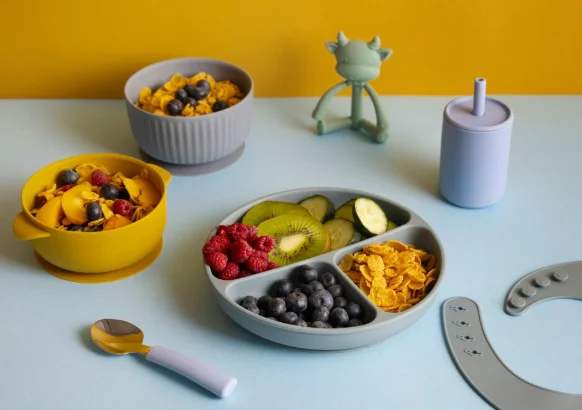
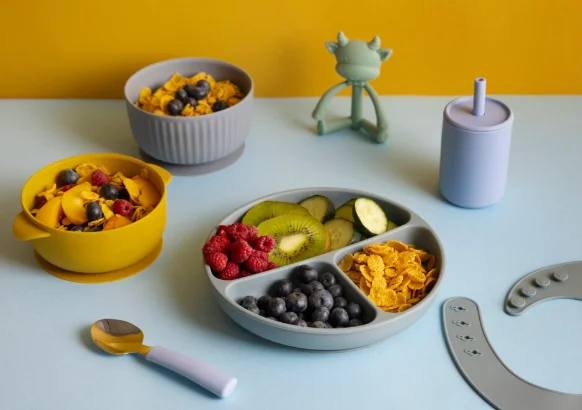
A useful toddler meal plan saves decisions during the week. It doesn’t require seven new breakfasts, a long Sunday prep session or a separate dinner for every child. This seven-day menu for children around ages two and three builds in repeat ingredients, leftovers and a couple of ready-to-heat meals, leaving room to adjust for your family’s schedule and your child’s eating skills.
Treat the menu as a flexible guide. Portions, textures and ingredients can change to suit chewing abilities, allergies and preferences, and children don’t need to finish everything served. Offer water during the day, along with the child’s usual age-appropriate milk or a suitable alternative at meals and snacks.
The seven-day menu
| Day | Breakfast | Morning snack | Lunch | Afternoon snack | Dinner |
| Monday | Oatmeal with smashed banana and peanut butter | Plain Greek yogurt with smashed raspberries | Shredded chicken, rice and steamed carrots | Cheddar on crackers with apple slices and honey | Penne with lentils and tomato sauce, plus steamed broccoli |
| Tuesday | Banana oatmeal pancakes with peach slices | Blueberry muffin and milk | Leftover penne with steamed zucchini | Soft pita with hummus and cucumber | Flaked salmon, mashed potatoes and steamed garlic broccoli |
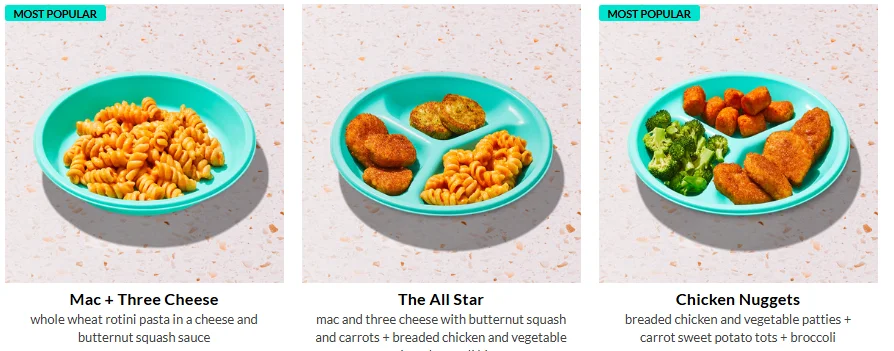
| Wednesday | Scrambled eggs, toast and peach slices | Banana with Greek yogurt | Leftover salmon and mashed potatoes with cherry tomatoes | Applesauce and cheddar slices | Mac and three cheese, butternut squash and carrots, with breaded chicken and vegetable patties |
| Thursday | Overnight oats with honey and raspberries | Blueberry muffin and milk | Shredded chicken and avocado tortilla rolls | Soft pita with hummus and cucumber | Soft mashed beans and cheese quesadilla with avocado |
| Friday | Scrambled eggs, toast and melon | Raspberries with Greek yogurt | Leftover mashed beans with soft rice and avocado | Cheddar on crackers with apple slices and honey | Oven-roasted chicken, sweet potatoes and green beans |
| Saturday | Banana oatmeal pancakes with peach slices | Melon and rice-based snack puffs | Leftover chicken and penne in tomato sauce | Cucumber and cheese slices | Turkey tacos with ground turkey, cheddar and cilantro-lime rice |
| Sunday | Toast with peanut butter and banana | Greek yogurt with cooked, soft peaches | Cheese-and-broccoli omelet with cherry tomatoes | Soft pita with hummus and avocado | Halibut, rice and steamed carrots |
For safety, cut or mash foods as needed, shred meat finely, check fish carefully for bones and cook firm vegetables until soft. Avoid choking hazards such as whole nuts, popcorn and thick spoonfuls of nut butter.
Make the schedule fit your week

Start with the family calendar. If some evenings include activities or late arrivals, put the quickest dinners there. Use calmer days for meals that need more cooking, and take stock of the fridge before shopping. If you already have sweet potatoes, use those in place of regular potatoes; if peaches are a more reliable favorite than apples, buy accordingly. The plan should help avoid extra shopping trips and food that goes uneaten.
For a simple meal, combine a grain such as rice, pasta or bread with a protein, fruit or vegetables, and a fat such as avocado or olive oil. Include dairy or an appropriate alternative across the day. Variety can build over several days; every plate doesn’t need to contain every food group in identical amounts.
Begin with small portions and offer more if your child is still hungry. The CDC recommends a routine of three meals and two or three snacks each day. Snack times are flexible opportunities, though, not a checklist: fit them around daycare, naps and hunger. If daycare provides meals or snacks, use the menu’s slots for days at home.
Shared ingredients can simplify meals for siblings with different needs. Oats, yogurt, chicken, eggs and soft vegetables can be served in different forms and textures without cooking entirely separate menus. A toddler and a younger child may eat the same base ingredients while needing different preparation.
Use leftovers to save weekday effort

Monday and Tuesday: Make enough lentil tomato sauce and penne on Monday for dinner and Tuesday lunch. Keep a portion aside, then serve it with steamed zucchini the next day. On Tuesday, cook extra salmon and potatoes so Wednesday lunch is mostly ready. Flake the fish, check for bones and cook broccoli until soft. The additional cooking is small when you’re already preparing dinner. Banana oatmeal pancakes can also be made ahead and frozen for Saturday.
Wednesday and Thursday: Reheat Tuesday’s salmon and potatoes for Wednesday lunch and add cut cherry tomatoes. For a low-effort dinner, the menu includes a ready-to-heat mac and three cheese meal with butternut squash, carrots and breaded chicken and vegetable patties. Having one convenient option in the week can help on evenings when cooking time or energy is limited.
Thursday’s chicken and avocado tortilla rolls use shredded chicken prepared earlier in the week. If you cook it on Sunday, freeze the Thursday portion and thaw it in the refrigerator before serving. For Thursday dinner, mash enough beans for the quesadillas and Friday lunch. Store the extra beans separately so Friday’s lunch can be served with rice and avocado.
Friday through Sunday: Roast extra chicken on Friday and use it for Saturday lunch with penne and tomato sauce. The sweet potatoes can roast alongside the chicken; cook the green beans until tender. Saturday dinner can be another quick prepared meal, such as turkey tacos with ground turkey, cheddar and cilantro-lime rice. Weekend snacks can also stay simple when the family is out and about.
On Sunday, chop broccoli finely into a cheese omelet or serve it on the side. Halibut, rice and carrots make a shared family dinner; if your toddler doesn’t want fish, familiar rice and carrots can still be part of the meal without requiring a taste of the halibut.
Offer flexibility for hesitant eaters
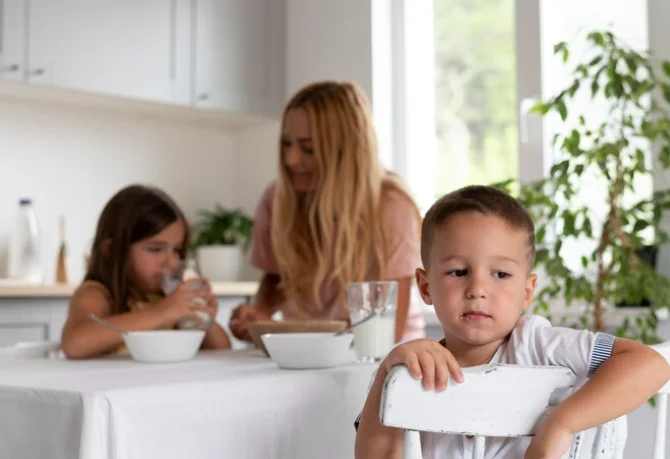
A meal that seems appealing to an adult may still get a toddler’s “no.” Plan small, practical adjustments instead of preparing a backup dinner. Include something familiar, serve new foods without pressure and offer them again over time; accepting a food can take repeated exposure.
| Planned meal | Simple adjustment |
| Penne mixed with lentils | Serve plain pasta, with lentil tomato sauce on the side |
| Chicken and avocado rolls | Put the ingredients on the plate separately |
| Salmon or halibut | Offer a small amount beside familiar foods; if it’s refused, rotate with soft egg or mashed beans |
| Filled quesadilla | Serve its ingredients separately |
| Raspberries in overnight oats | Serve raspberries on the side or mash them into the oats |
| Broccoli in an omelet | Make a plain cheese omelet and serve broccoli alongside it |
When it helps, offer a limited choice within the planned meal: for example, ask whether avocado should go inside the tortilla or beside it. Avoid making dessert conditional on eating vegetables or insisting on another bite. Regular meals and snacks give children chances to eat in response to their appetite.
Prep a few useful ingredients
Meal prep can mean preparing components rather than assembling every meal in advance. For this menu, a few targeted jobs cover much of the week:
- Cook chicken for early-week meals. Shred enough for Monday lunch and freeze a separate portion for Thursday’s tortilla rolls. Roast a fresh batch on Friday, setting some aside for Saturday.
- Make tomato sauce once. Use it with lentils for Monday’s penne and Tuesday’s leftovers. Freeze another portion for Saturday’s chicken pasta, then cook fresh penne that day.
- Prepare breakfasts and muffins when convenient. Make banana oatmeal pancakes and blueberry muffins ahead; freeze the pancakes for Saturday and any muffins you won’t use soon. Mix Thursday’s overnight oats on Wednesday evening and refrigerate them overnight.
- Cook vegetables in stages. Carrots and broccoli cover early-week meals. Add green beans, potatoes and other vegetables later, closer to when you’ll serve them.
You don’t need to complete every task for the plan to help. Having chicken ready or pancakes in the freezer can take pressure off a busy day.
Keep the shopping list familiar
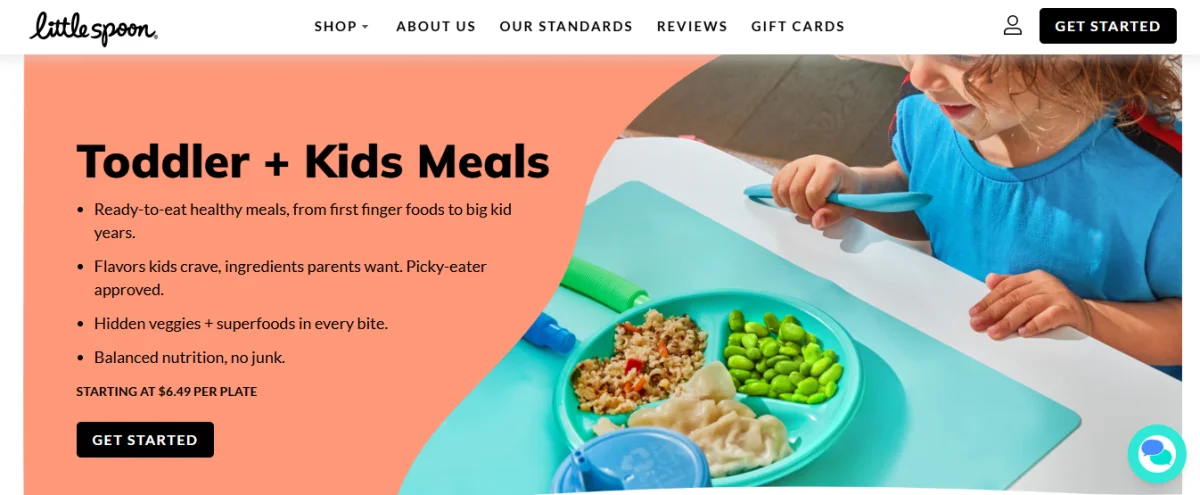
The menu uses familiar pantry foods: oats, penne, rice, bread, tortillas, pita, crackers, potatoes and sweet potatoes. Protein and fridge staples include chicken, salmon, halibut, eggs, lentils, beans, peanut butter, Greek yogurt, cheddar and hummus, plus ingredients for pancakes and blueberry muffins.
Produce repeats through the week: bananas, raspberries, peaches, apples, melon, avocado, cucumber, cherry tomatoes, carrots, broccoli, zucchini and green beans. Check your fridge and freezer before buying. Frozen fruit and vegetables can help with portions and reduce waste.
Prepared meals and snacks can be included when they suit your schedule, budget and child’s preferences; similar options can take their place. After trying the menu, keep the meals that worked in your kitchen and adjust the rest. A few repeat breakfasts, leftovers ready for lunch and a quick dinner for the busiest night can make the week easier to manage.