First day cover ·
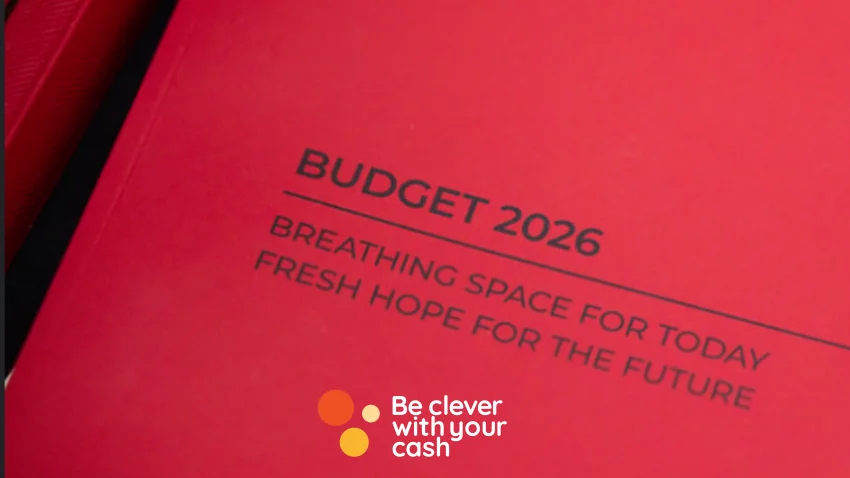
Who Gains and Loses From the 2026 Autumn Budget Changes
Cash ISA limits stay put, while support shifts for households, buyers and workers. Savers, drinkers and some taxpayers face higher costs.

The 2026 Autumn Budget brings a mix of extra help and higher bills. Cash ISA savers avoid a planned cut, some households will receive an energy payment, and new support is on the way for first-time buyers and self-employed parents. But savings and property income will face higher tax rates, while duties on alcohol and some gambling machines are set to rise.
These changes take effect on different dates, so the headline winners and losers depend on your circumstances and when you make a decision. Here’s what the announcement means for household finances.
Who could benefit
Cash ISA savers
The planned reduction in the annual cash ISA allowance for under-65s has been cancelled. The previous proposal would have cut the limit from £20,000 to £12,000 from April. For savers who use cash ISAs, the allowance therefore stays at £20,000 under the plans described here. The earlier announcement is covered in this review of the previous Budget.
Some households facing energy costs
About 20 million homes in council tax bands A to D in England are due to receive a £100 payment into their bank accounts from January 2027. It forms part of a £2.6 million Household Energy Payment scheme. Scotland, Wales and Northern Ireland are expected to have their own arrangements, so the England payment details don’t apply across the whole UK.
There’s also a further extension to the electricity VAT change announced in the summer. From March to July 2027, households are expected to save £50 compared with the energy price cap. The earlier change was described as saving an average household £45. Details on the electricity VAT change and the energy price cap can help explain the comparison.
Gas standing charges, which can cost more than £100 a year regardless of usage, will move into the unit price. That change could suit households that use less gas, but larger homes with higher consumption could pay more. It changes how the bill is structured; it doesn’t erase the cost.
Import tariffs on more than 100 products, including baked beans, chocolate and marmalade, are also being removed. The estimated reduction in food bills is £21 a year. That’s a modest saving, and the effect will depend on what households buy and how prices change.
First-time buyers and parents
A new First Time Buyer ISA is planned for April 2029. Savers will be able to deposit up to £4,000 a year, with a 25% bonus when they withdraw the money to buy their first home, provided the purchase meets the criteria. There’s no upper age limit, but the property price must be no more than £450,000 to qualify for the bonus. More details are available in this guide to the First Time Buyer ISA.
The Lifetime ISA withdrawal charge for buying a home worth more than £450,000 is set to fall from 25% to 20%. A separate scheme will offer first-time buyers a 20% equity loan on a new-build home with a 2.5% deposit. These options have different eligibility rules and costs, so the headline bonus or deposit figure won’t tell the whole story.
Parental leave support is also set to reach 150,000 more people a year, including self-employed fathers and partners who were previously excluded. The payment is £194 a week for two weeks. This could provide short-term help around a new child, though it isn’t a replacement for a full income.
Workers, carers and people earning from side work
The tax-free Trading Allowance is due to rise from £1,000 to £3,000 on 6 April 2027. It covers income from activities such as selling items online or pet sitting. For example, cat sitting is one kind of side income mentioned. People with several sources of income should check how the allowance applies to their total earnings.
Unpaid carers will no longer lose their entire allowance because they earn a penny above the Weekly Earnings Limit, which is equivalent to 16 hours at the National Living Wage. Instead, support will taper by £1 for each additional £1 earned. That makes the effect of extra work less abrupt.
The 5p fuel duty cut and freeze is being extended for six months, to 1 July 2027. Employees and self-employed workers will also keep a tax-free rate of 55p per mile for the first 10,000 business miles driven each year.
Who could pay more
Savers and landlords
From 6 April 2027, income tax rates on savings and property income will rise by two percentage points. Including the two-point increase announced the previous year, the rates will be 24% for basic-rate taxpayers, 44% for higher-rate taxpayers and 49% for additional-rate taxpayers. Someone with £5,000 of savings interest above their tax-free allowances would pay an extra £200 a year at the new rate described in the announcement.
People whose wages rise
Income tax thresholds haven’t been reviewed and have remained unchanged for almost 10 years. As earnings increase, more people may cross into a higher tax band even if their spending power hasn’t risen by the same amount. This effect, often called fiscal drag, can mean a larger tax bill without a change in the tax rate itself.
Electric car owners, gamblers and drinkers
A mileage charge for electric and hybrid cars is confirmed for April 2028: 3p per mile for electric cars and 1.5p per mile for hybrids. A mileage estimation tool is planned, along with an automated refund system by 2030. The announcement doesn’t give further detail on how individual bills will be calculated.
From April 2027, Machine Games Duty will rise from 20% to 25% for machine games with stakes above £1. Operators could pass some of that increase on to players.
Alcohol duty will rise by 3.9%. The stated examples are an extra 2p on a pint, 10p to 12p on a bottle of wine, and 35p on a bottle of gin. The final price paid can also depend on how sellers respond.
People with unpaid tax debts
New powers will allow unpaid tax to be taken directly from bank accounts when the person can afford to pay, without a court process. The timetable starts with VAT and PAYE debts in July 2029, followed by Self Assessment and Simple Assessment debts in April 2030, then Corporation Tax debts in April 2031. The stated aim is to recover an extra £320 million in unpaid tax each year within five years.
For households, the practical takeaway is to check dates and eligibility before building a decision around a promised payment, allowance or bonus. Several of the biggest changes are still years away, while the higher tax rates on savings and property income begin in April 2027.
Related reading: First Time Buyer ISA details; electricity bills and VAT; Autumn Budget 2026 overview; and British bank awards 2026.