First day cover ·
First Credit Card: Choosing a Card, Applying and Managing Repayments
Compare cards against your needs, check your eligibility before applying and set up repayments you can afford.
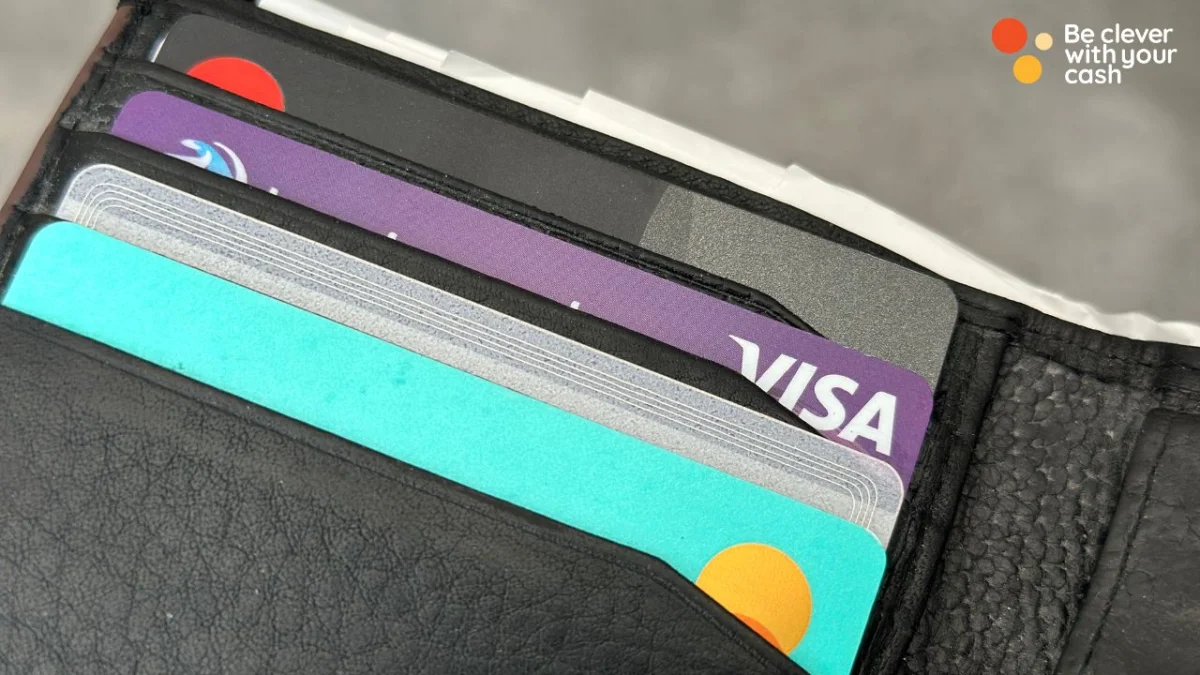
Your first credit card can help you spread the cost of a purchase, build a credit history or earn cashback and rewards. The benefit depends on how you use it: every card balance is borrowing, and interest or fees can make spending more expensive. A card that suits your plans and budget matters more than one with the flashiest offer.

Start with what you need the card to do
Credit cards come with different features, so decide what you expect to use yours for before comparing them. If you have a large planned purchase, a card with an introductory 0% rate on purchases may let you repay the balance over a set period without interest. Check how long the offer lasts and what rate applies to any balance left afterwards. The interest-free period doesn’t make the purchase affordable by itself; you still need a repayment plan.
A card used regularly and repaid on time can help build your credit history if you have little borrowing history. The effect takes time, and a card won’t improve your record if you miss payments or borrow more than you can manage.

Rewards and cashback can suit people who already spend within their budget and will make use of the benefits. A travel discount may have little value if you rarely travel. Cashback is only useful if it doesn’t encourage you to spend more than you otherwise would. Compare the card’s costs and conditions with the rewards you realistically expect to use.
If you want a card for spending abroad, look for one with low or no fees for overseas use. Check the terms before relying on it while travelling. A credit card can also help with an unexpected expense, but borrowing to cover an emergency may cost interest if you can’t repay the balance promptly.
Check eligibility before applying
Card providers set their own application criteria. Some may require a minimum income or a strong credit history, so read the conditions for the card you’re considering. Applying for a card you’re unlikely to qualify for can leave a hard search on your credit report, where other lenders may see it.
A free eligibility checker can give you an indication of which cards may suit your circumstances. These checks use a soft search, which doesn’t leave a mark on your credit record. The result isn’t a promise of approval: the provider still makes its own checks when you submit a full application.

Compare the interest rate, fees, borrowing limit and any introductory offer. A long 0% period may be useful for a planned purchase, while a cashback offer may suit someone who pays off regular spending each month. Look beyond the headline benefit: consider what happens when a promotional period ends and whether you can meet the card’s terms.
Get your application details ready
Applications are commonly available online or through an app; some providers also accept them in a branch or by post. You’ll usually be asked for your name, contact details and address, along with information about your job, annual income and existing debts. You may need proof of address, such as a recent utility bill, and identification such as a passport or driving licence. Providers may also ask for a linked bank account to make repayments.
Once you apply, the provider carries out a hard credit check and other checks before deciding. It may approve the card on the terms you requested, offer a different interest rate or borrowing limit, or decline the application. An eligibility checker can help you judge your chances, but it can’t guarantee the outcome.
If the provider turns you down, pause before applying elsewhere. First try to understand why the application was unsuccessful; repeated applications can mean more hard searches on your credit report. If you’re approved but the rate or limit doesn’t work for you, you don’t have to accept the offer.

Make repayments part of your plan
Before using the card, decide how you’ll keep up with payments. Late or missed payments can harm your credit score. Setting up a direct debit is one way to make regular payments automatically; check that the linked account has enough money when the payment is due.
For a purchase made on a 0% offer, work out how much you’d need to repay each month to clear the balance within the promotional period. If you can’t clear it by then, interest may apply to what remains. For everyday spending, keep track of purchases and make repayments fit your budget. The card doesn’t increase what you can afford; it changes when the money leaves your bank account.
Keep the card for spending you can repay
A credit card may be practical for a one-off purchase, overseas spending, or purchases that earn rewards or cashback, provided the costs and repayment plan make sense for you. It can also give you a way to meet an unexpected expense, though carrying the balance may add interest.
Avoid treating the card as extra income. Spending beyond what you can repay, using it to fund costs over the long term, and relying on it for essentials such as groceries or utility bills can leave you with a balance that’s difficult to clear. Cash withdrawals can also carry a higher interest rate, so check the card’s terms and avoid assuming they work like ordinary purchases.
Before you apply, match the card to a clear purpose, compare the full terms and check your eligibility. After approval, keep borrowing within an amount you can repay and make payments on time. Those habits matter more than a welcome offer.