First day cover ·
A Canadian Retirement Cash Flow Plan: Spending, Taxes and Delayed Benefits
A sample plan for a 60-year-old Canadian retiree shows how withdrawals, spending and delayed benefits can shape income and taxes over time.

A retirement plan can be built around the timing of income, taxes and spending, rather than a single annual withdrawal target. A Canadian example for Herman, a recently retired 60-year-old, shows how drawing from registered and taxable accounts could help bridge the years before public benefits begin, while making room for higher spending early in retirement.

The numbers are a planning illustration, not a promise. Its results depend on assumptions about investment returns, taxes and future account values. The useful lesson is how the plan connects those moving parts—and how a retiree can test different spending choices before relying on them.

Start with the assets and the spending goal
Herman is single, has no mortgage and says he wants to maximize income, limit taxes and reduce the potential Old Age Security (OAS) recovery at age 70. He plans to defer government benefits until then and says leaving a large estate is not a priority. He hasn’t set a specific spending target.
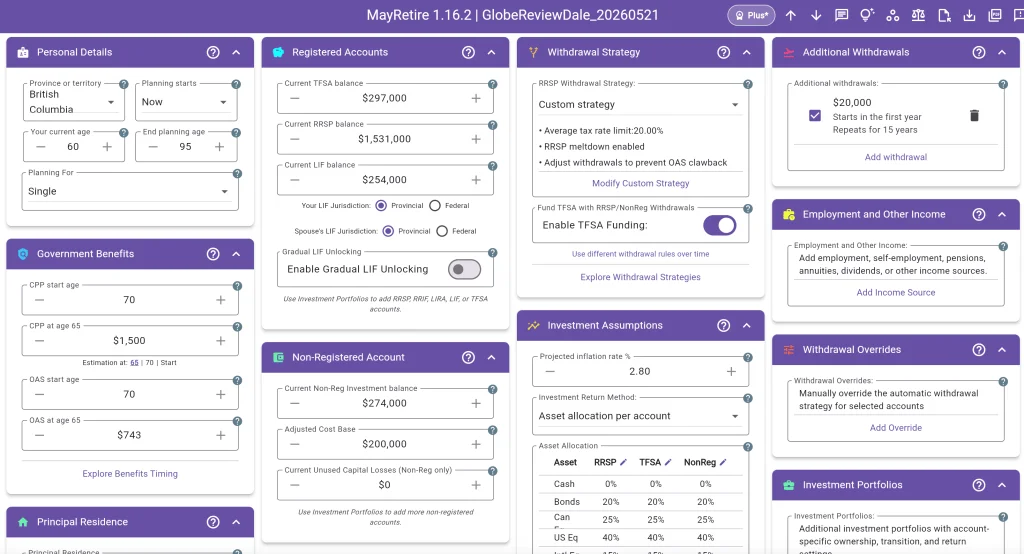
His stated net worth is $3,036,000: a $500,000 home, $454,000 in non-registered investments and cash, $297,000 in a Tax-Free Savings Account (TFSA), and $1,785,000 across a Registered Retirement Savings Plan (RRSP) and Registered Retirement Income Fund (RRIF). The detailed asset list gives the non-registered holdings as $180,000 in bank accounts and $274,000 in mutual funds, alongside the same TFSA, RRSP, RRIF and residence amounts.
His RRSP and RRIF make up about 70 per cent of his investable assets. That concentration makes withdrawal planning important: money taken from either registered account is taxable income, so leaving most withdrawals until later could push income higher when required RRIF withdrawals and public benefits overlap.
Use registered withdrawals to build an income bridge
The planner’s starting point is a $75,000 annual RRIF withdrawal. With an estimated $17,000 in interest, dividends and capital gains from non-registered investments, Herman’s projected taxable income is $92,000. The planner estimates that keeping income below $100,000 would mean a combined British Columbia and federal marginal tax rate of 28.2 per cent and an average rate of 15.5 per cent, while leaving some room for realized gains.
On the $75,000 withdrawal, estimated after-tax income is about $60,500 a year—enough, the planner says, to cover lifestyle spending of $5,000 a month after tax. The plan also continues annual $7,000 transfers from non-registered assets to the TFSA.
Keeping much of the money in the RRSP while transferring smaller amounts to the RRIF each year gives Herman control over RRIF withdrawals during his 60s. The RRIF can serve as the account for recurring income, while the RRSP remains tax-deferred. That flexibility ends when the remaining registered assets must be moved into a RRIF at age 71; minimum withdrawals begin the following year.
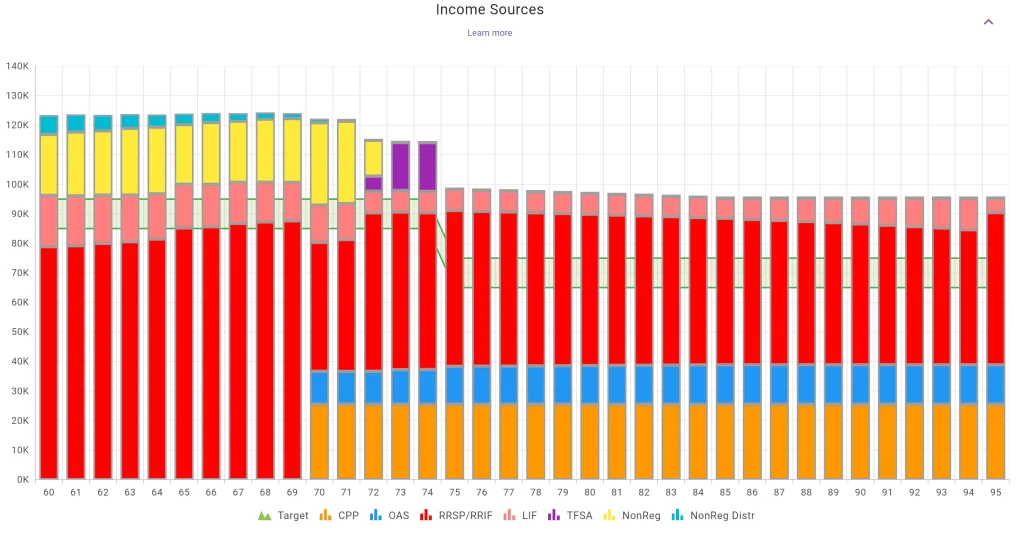
Under the planner’s assumptions, a 5 per cent annualized return would allow the RRIF to maintain its value until age 72, when full minimum withdrawals begin. After that, the larger required withdrawals would gradually reduce the account. Drawing earlier is intended to spread taxable income across more years and reduce the chance of a sharp rise later.
Account for the later income jump
Herman could spend more, the planner says. The non-registered portfolio’s income could support about $20,000 in additional annual spending. Whether he uses that money for spending or saves it, the investment income still appears on his tax return.
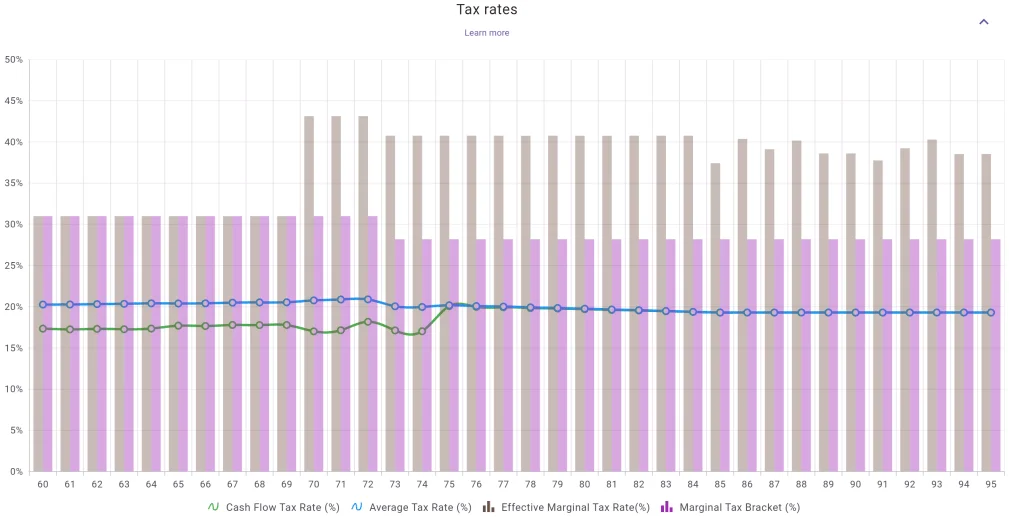
Delaying Canada Pension Plan (CPP) and OAS benefits until age 70 is presented as manageable because the RRIF can bridge the gap without an unsustainable withdrawal rate. The planner estimates that when RRIF minimums start in 2038, total withdrawals would rise to about $100,000 a year. At age 72, combining the full RRIF minimum with enhanced CPP and OAS could bring gross annual income to about $145,000. The estimated marginal tax rate would then be 38.29 per cent, with roughly one-third of OAS subject to recovery.
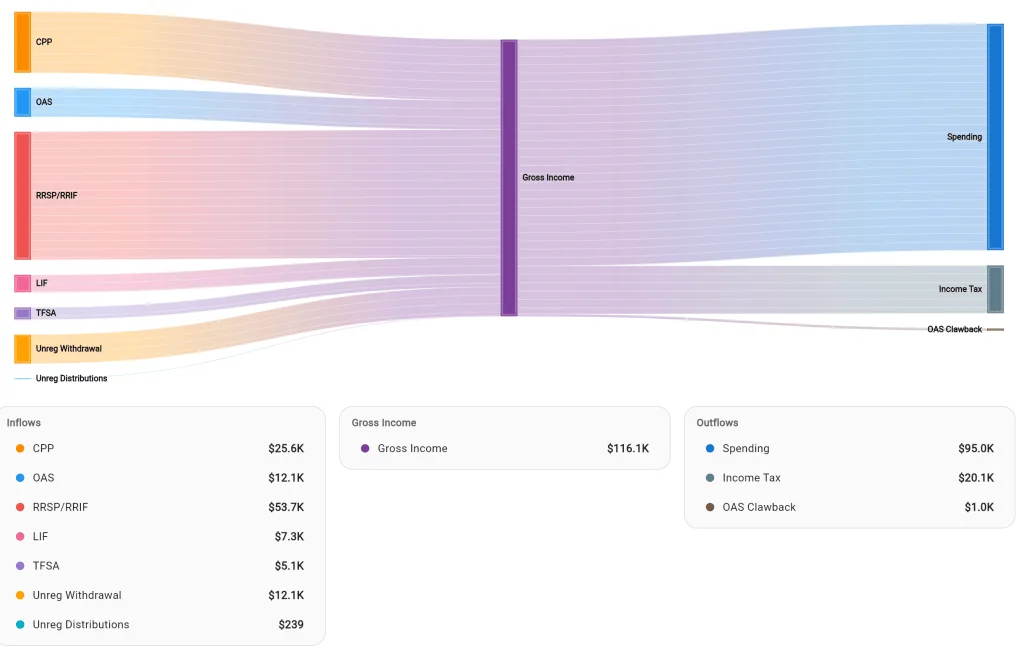
The plan therefore uses withdrawals in the earlier years to manage the later income overlap. That approach has a trade-off: taking more taxable income now may reduce the registered balance sooner, but it can help moderate taxable income in the years when account minimums and benefits arrive together.
Model spending in phases
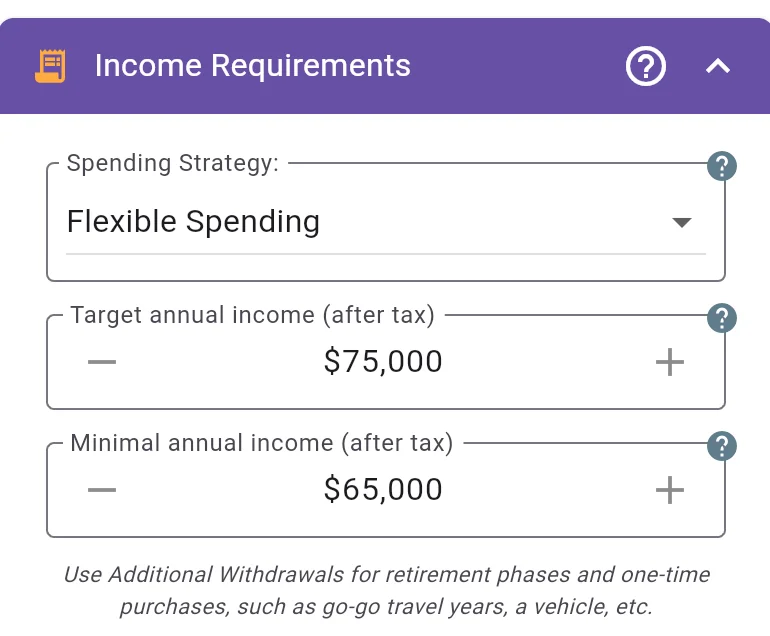
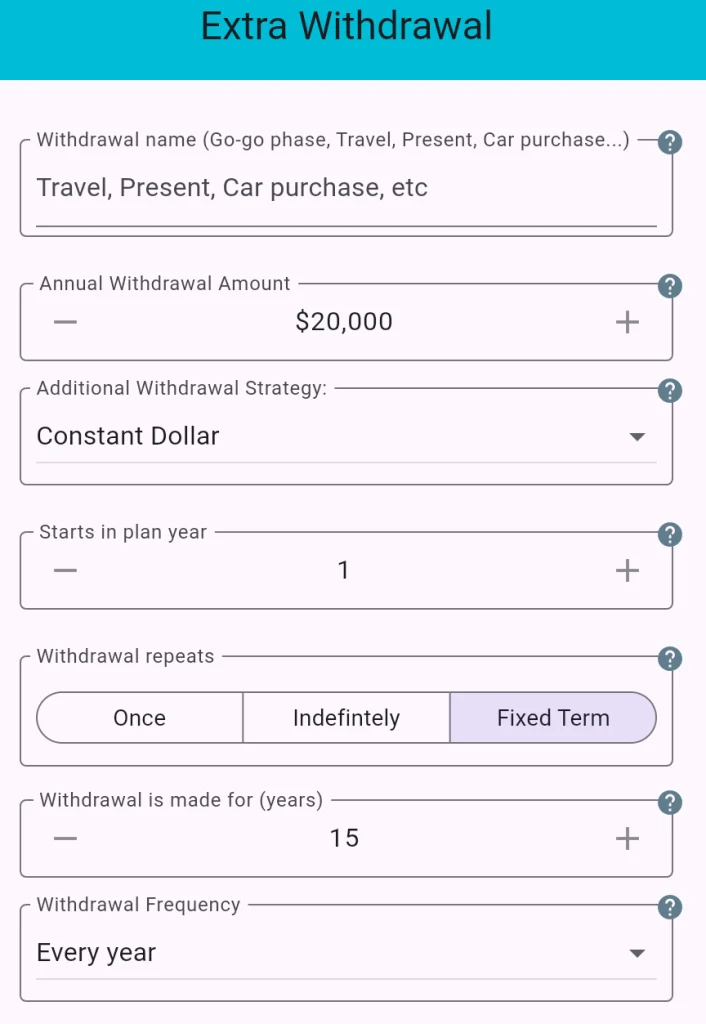
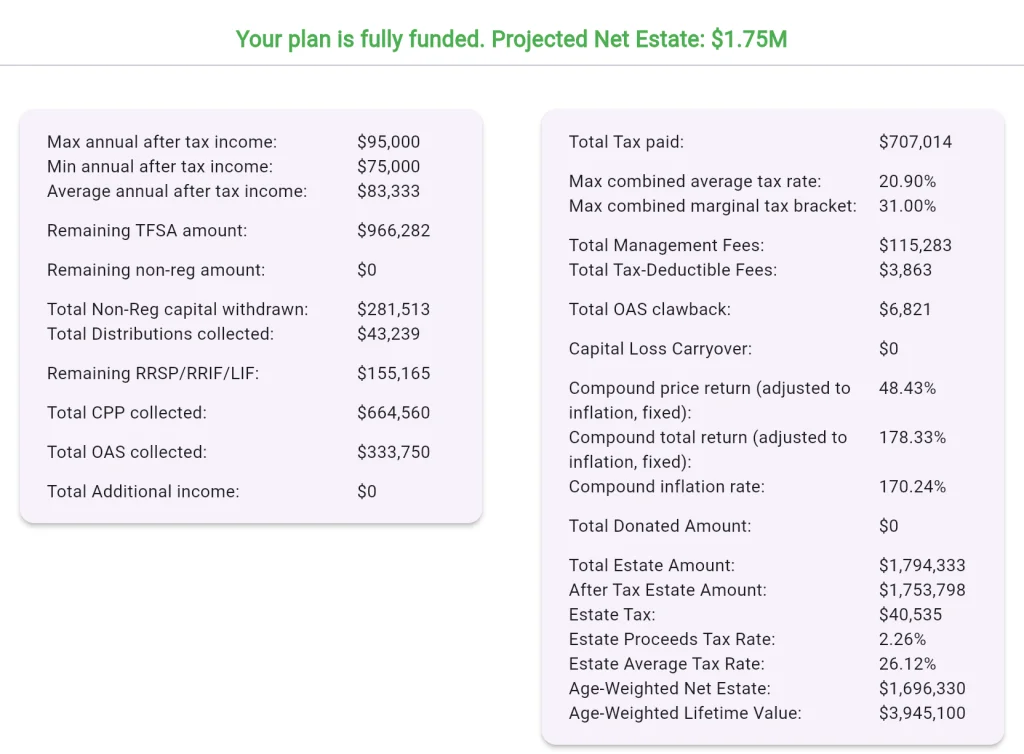
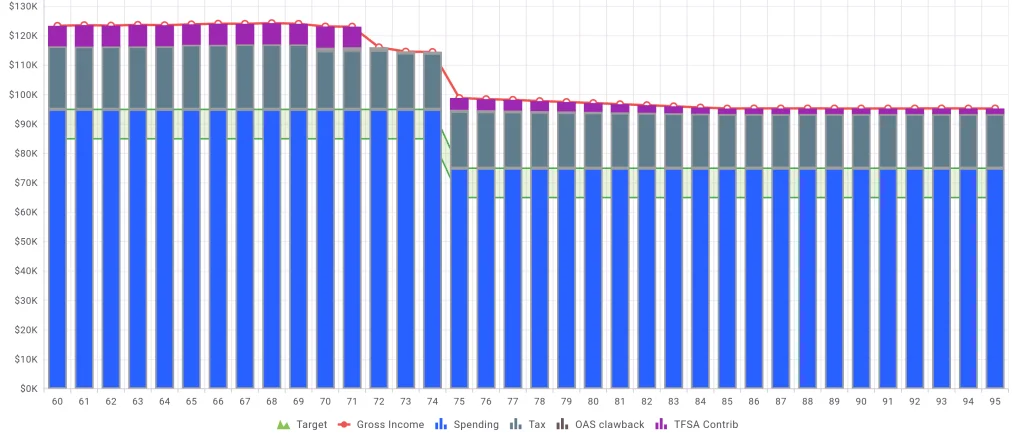
A cash flow calculator can show how the strategy looks year by year. In the example, the plan starts with $75,000 of after-tax income, then adds $20,000 annually for the first 15 years to fund higher spending during the early “go-go” years. That brings planned after-tax income to $95,000 during that period, before it returns to the $75,000 base.
The author describes later years as potentially having lower spending as activity slows, followed by a period when health or personal care costs could rise. A plan can include temporary spending increases or one-time expenses, as well as changes in income. The point is to make those assumptions visible and adjust them as circumstances change.

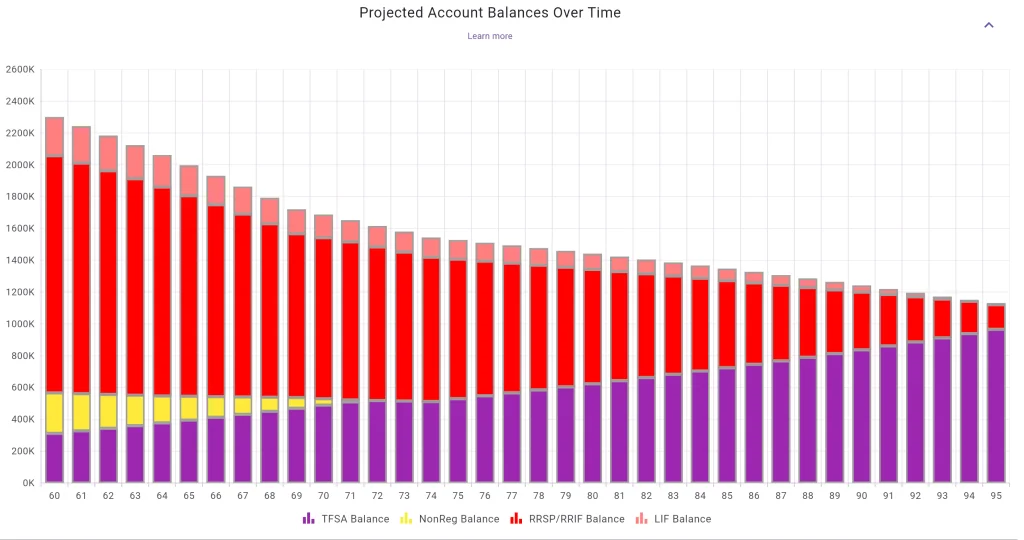
The calculator’s projections show registered and taxable accounts covering much of the first decade before CPP and OAS provide a larger share of income. In this model, the taxable account is depleted by age 73; RRSP and RRIF assets then contribute less. The charts also show the intended tax-smoothing effect and the projected values of investment assets over time.
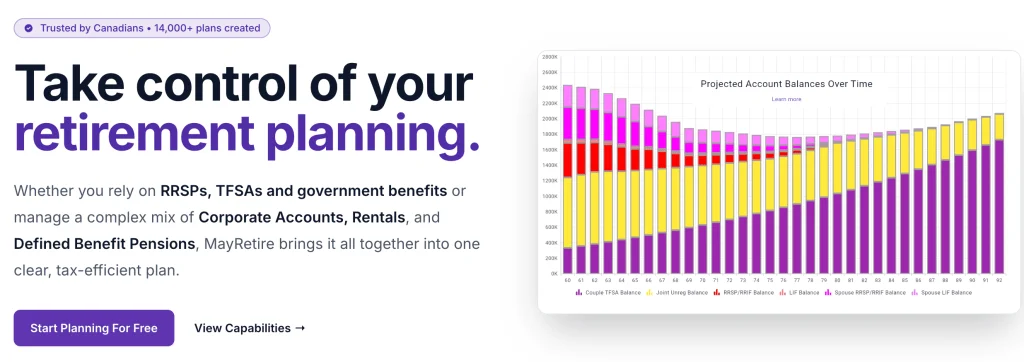
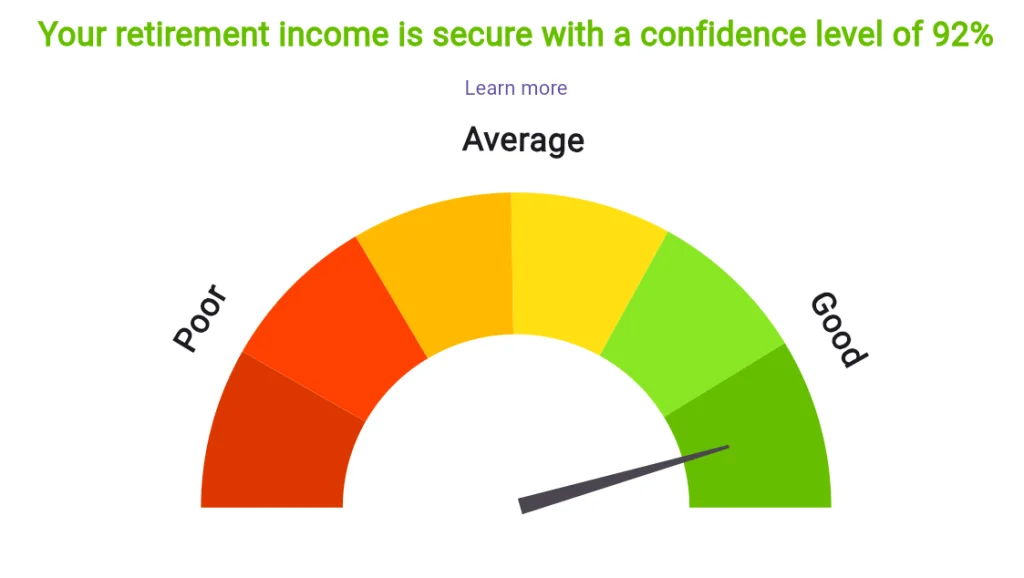
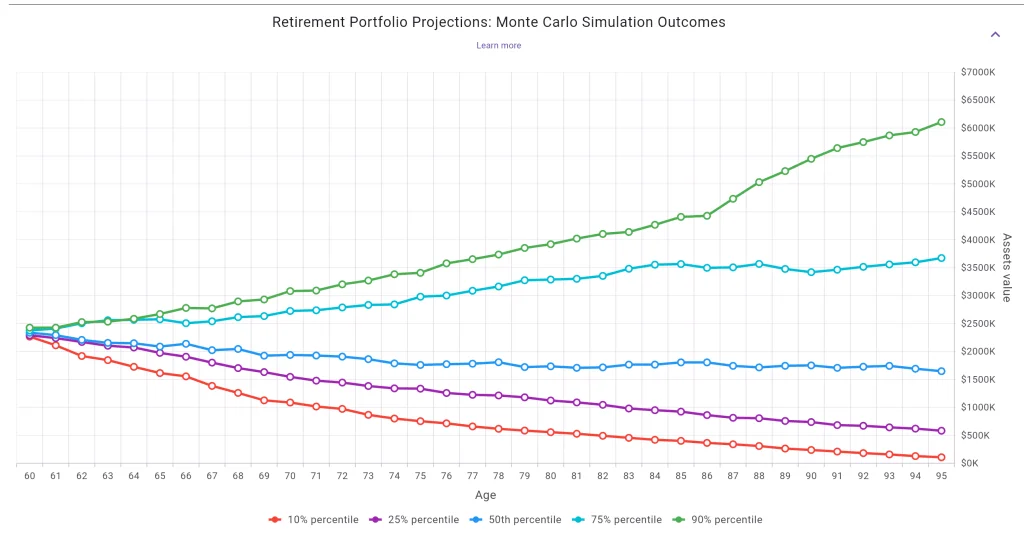
Those charts rely on linear returns: steady returns based on the portfolio allocation. Actual investment results fluctuate, so the account paths and income sources won’t follow a smooth line. The author says the plan was assessed with 500 Monte Carlo simulations and had a 92 per cent success rate. That result describes the model and its assumptions; it can’t guarantee that a household’s plan will work out the same way.
Use the projection to revisit priorities
Based on the spending and portfolio assumptions, the planner expects Herman’s net worth to grow over time. If he truly wants to leave only a small estate, the options raised include spending more, giving money to family while alive or deciding what legacy he wants his wealth to support.
For other retirees, the figures will differ, and the same withdrawal pattern may not fit their income, account mix or spending needs. A useful plan makes the trade-offs clear: how much to spend now, how much taxable income to recognize, when to start benefits and how much flexibility to preserve for later. Revisit those assumptions as returns, expenses and priorities change.