First day cover ·
Turning 65: RRIF Payments, Tax Credits and the CPP and OAS Timing Decision
A planned RRIF can provide monthly income and tax credits. The right withdrawal and pension timing depends on a household’s cash flow.
Turning 65 can change how retirement income is taxed and withdrawn. For one Canadian saver, the next steps are to begin Old Age Security (OAS), combine it with Canada Pension Plan (CPP) payments and convert some registered retirement savings plan (RRSP) funds into a registered retirement income fund (RRIF). The plan is built around monthly income, potential tax credits and a household cash flow forecast.
Those choices depend on personal circumstances. The figures below describe the writer’s plans and an illustrative retirement model; they aren’t a recommendation for every household.
Compare pension timing in a household plan
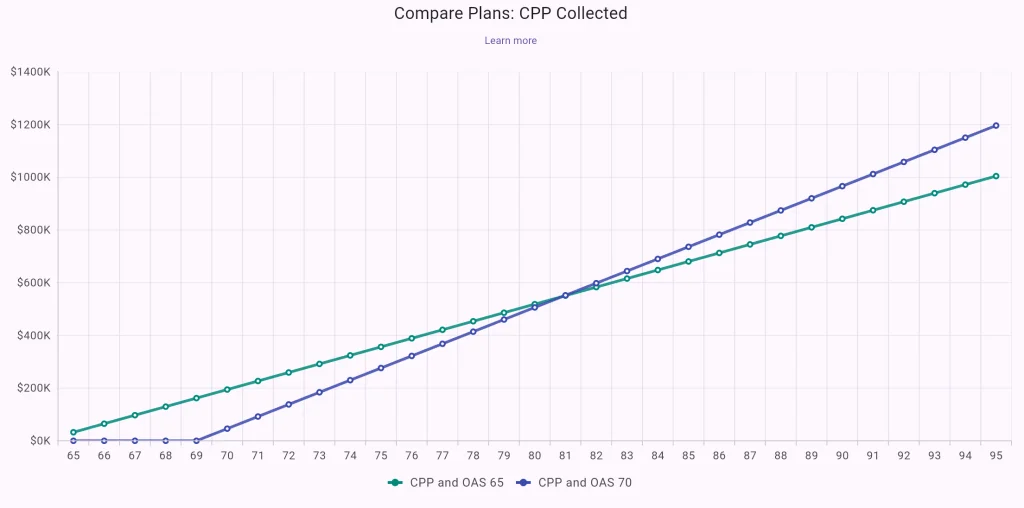
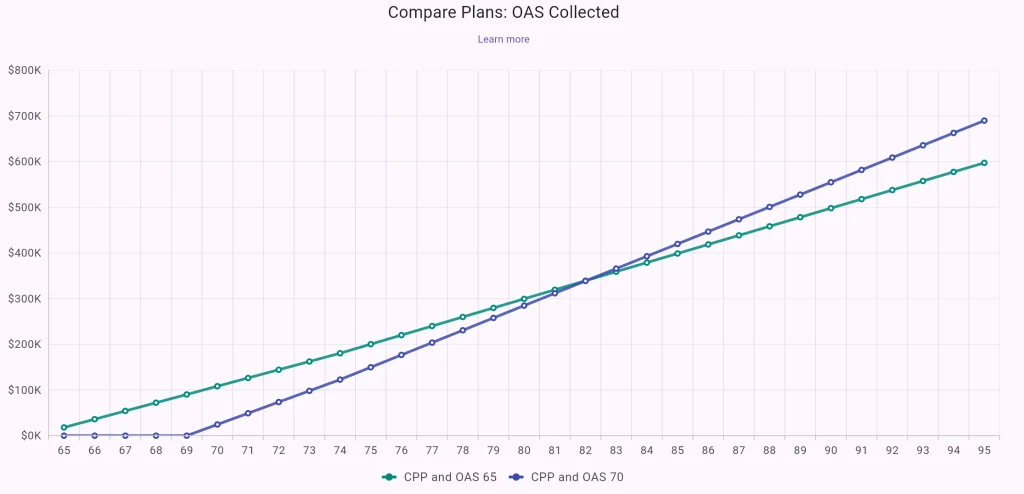
CPP and OAS can generally be deferred from age 65 to age 70. In the source’s example, waiting until 70 increases CPP by 42% and OAS by 36%. A couple may see the effect on both partners’ income, but the result depends on their individual entitlements and how long they receive payments.

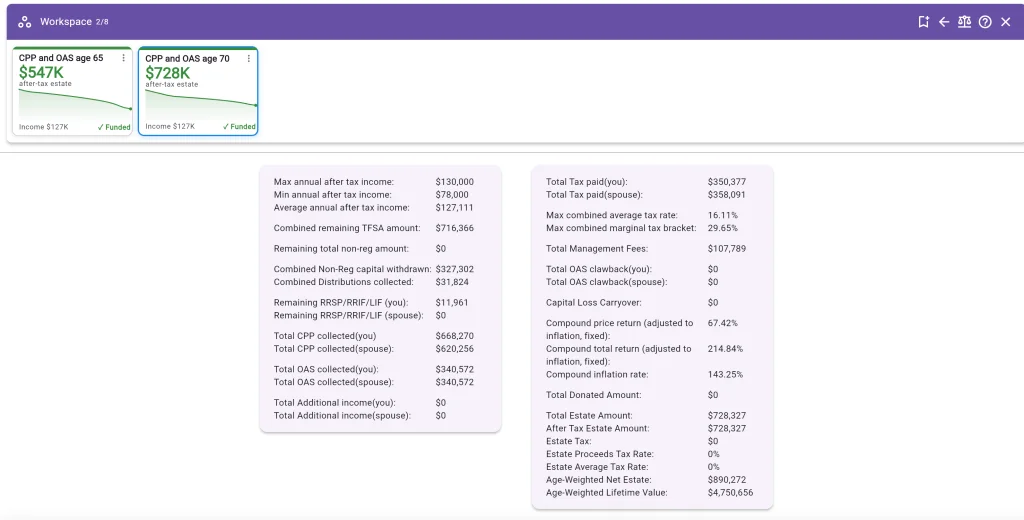
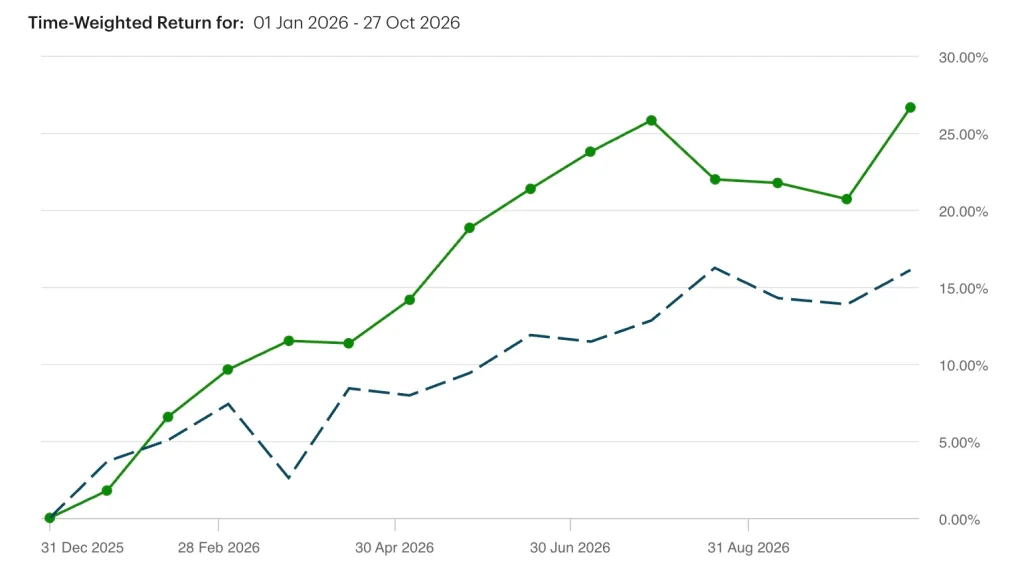
A MayRetire plan for a couple with generous CPP payments and full OAS estimated the effect of delaying both benefits until age 70. With projections running to age 95, the delayed-start plan showed an estate value $181,000 higher. It estimated total benefits of $1,969,000, compared with $1,672,000 for the age 65 plan—a difference of $297,000.

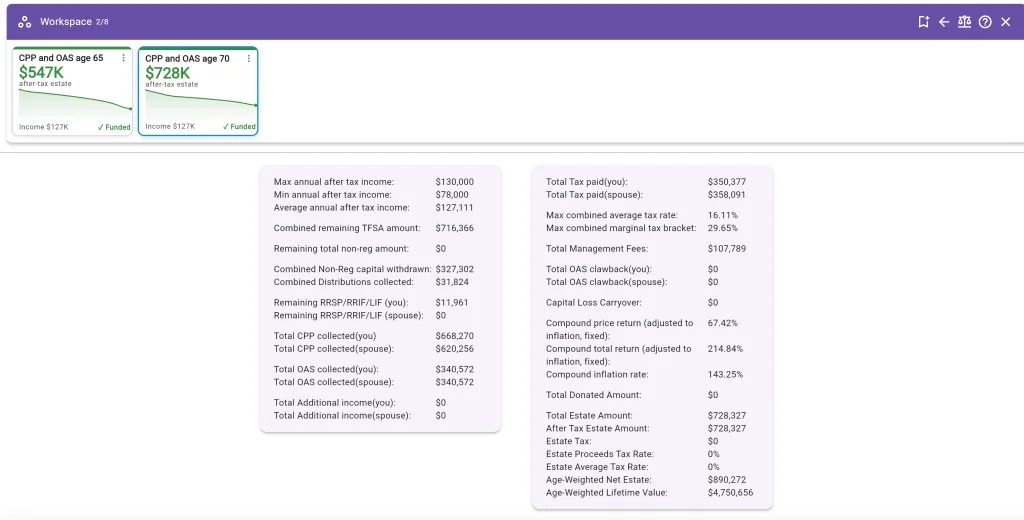
Those are outputs from one model, not a promise of what another couple will receive. A useful comparison should account for the household’s expected spending, other income and longevity assumptions. The author’s own CPP and OAS decisions draw on a cash flow plan that includes longevity projections.

A cash flow projection can also help coordinate when to start benefits with withdrawals from investments, workplace pensions and other income sources. The author’s view is that running the numbers is a key step before choosing a start date. People who want help can consider doing the planning themselves or speaking with an advice-only planner. The source describes MayRetire as the calculator used by its Retirement Club for Canadians and links to the club and advice-only planning.
Why open a RRIF at 65?
The writer expects about $20,000 a year from CPP and OAS, alongside self-employment income, and says there is no workplace pension. Opening a RRIF at 65 is intended to make at least $2,000 of eligible pension income available for the Pension Income Amount. The source estimates that this could mean a federal tax break of up to $280, with provincial credits potentially adding to it. Eligibility and the amount a person can claim depend on their circumstances.

There are also practical differences in how withdrawals are handled. The writer says their brokerage charges $25 for each RRSP withdrawal, a fee they expect to avoid by withdrawing from a RRIF. RRIF withdrawals up to the required minimum aren’t subject to withholding tax, according to the source. That doesn’t erase the tax bill: withdrawals still count toward taxable income, and any tax owed is settled when filing.
The minimum withdrawal is based on age, or a spouse’s age, and applies annually. The source lists these rates for ages 60 to 69:
| Age | Annual RRIF minimum |
|---|---|
| 60 | 3.33% |
| 61 | 3.45% |
| 62 | 3.57% |
| 63 | 3.70% |
| 64 | 3.85% |
| 65 | 4.00% |
| 66 | 4.17% |
| 67 | 4.35% |
| 68 | 4.55% |
| 69 | 4.76% |
Turn annual withdrawals into monthly income
A RRIF can provide a regular payment. The writer’s example starts with a $375,000 RRIF and a 4% minimum withdrawal rate at age 65. That produces $15,000 for the year, or $1,250 a month:
$375,000 × 0.04 = $15,000
The actual payment depends on the account balance and applicable minimum. The source expects the required annual withdrawals to rise as the age-based rate increases. That can mean more income over time, but it also means less money remains in the RRIF. A household should consider how withdrawals fit its spending and other income.
The writer expects to have CPP, OAS, self-employment income and RRIF withdrawals in 2027. If income exceeds spending needs, the source describes two destinations: a working spouse’s RRSP, if eligible, or a tax-free savings account (TFSA) where contribution room is available. The author says their current tax rate is low because household spending is modest and their spouse is still working, and compares it with a projected retirement tax rate.
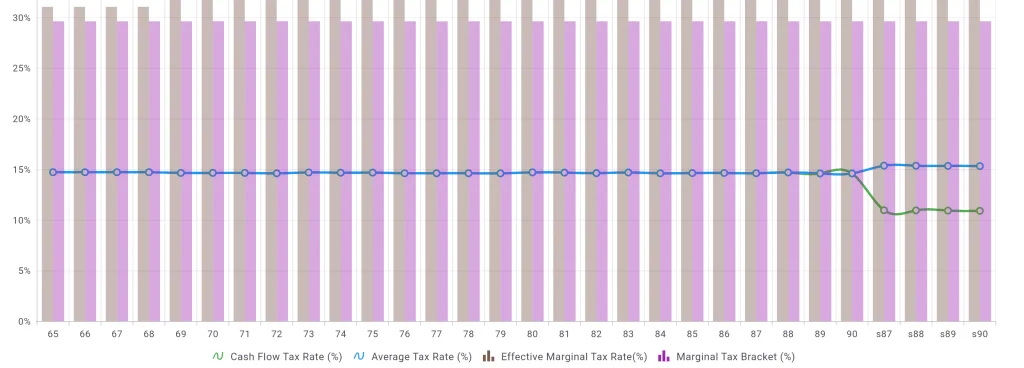
The author also expects an age credit of $9,448 the following year, based on turning 65. The source says the full credit applies for that year even when someone’s birthday falls late in the year. Readers should confirm the amount and eligibility for the tax year that applies to them.
The practical takeaway is to connect the RRIF decision to the whole household plan. Pension start dates, withdrawal amounts, taxes and spending needs interact; a projected monthly payment is useful only when it fits the rest of the income picture.