First day cover ·
Why a 7% Rate Isn't the Whole Story for Property Buyers
Erika Brown has closed deals $45K to $150K below asking. Her takeaway: rates are only part of affordability, and discounts go to prepared buyers who act fast.
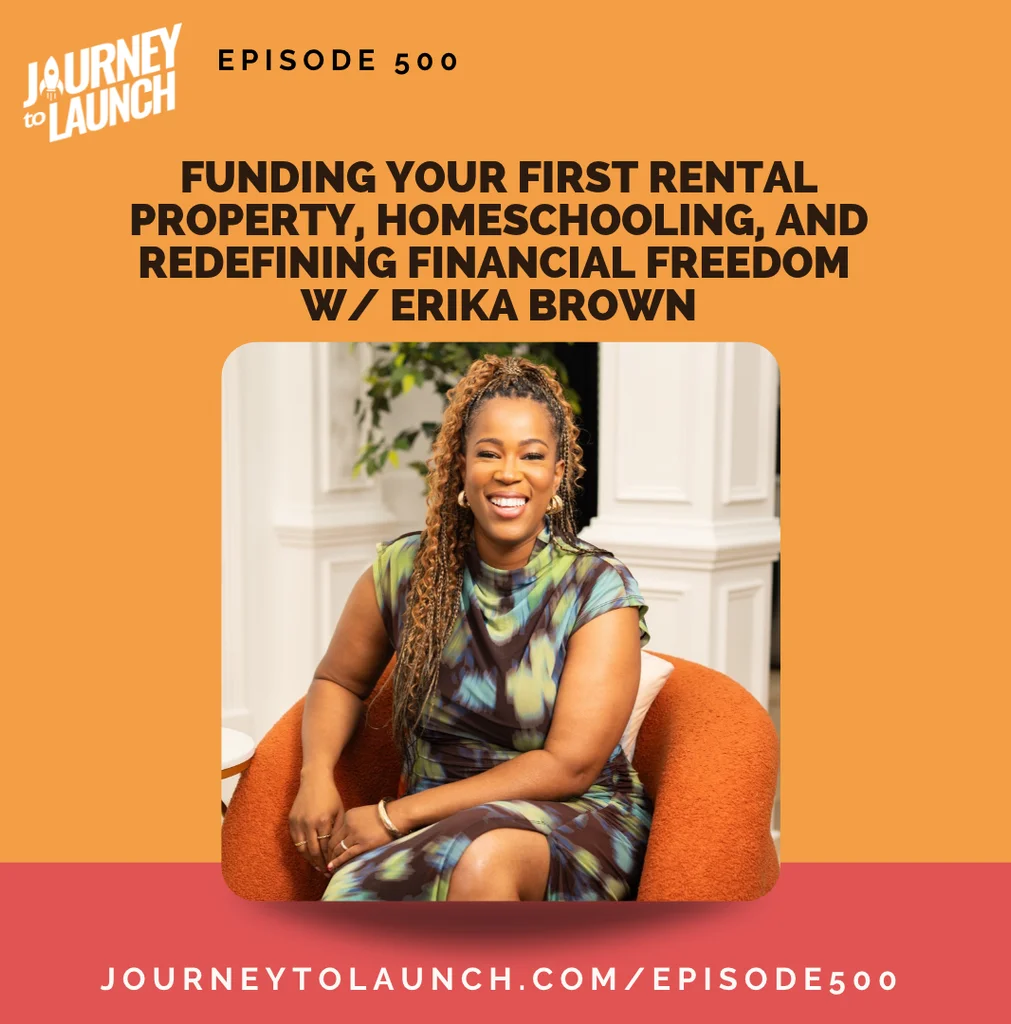
 A 7% interest rate scares off plenty of buyers. Erika Brown reads it differently, and her deals show it. Some have closed $45,000 below asking, and a few have come in as much as $150,000 under. That's the headline. The more useful question is why those discounts exist and who can actually get them.
From banking to a six-figure portfolio
Erika didn't start out as a real estate person. She spent years in banking, climbing a corporate ladder she eventually decided she didn't want to finish. She got her real estate license, built a team, and kept buying properties on the side. Over time that side work added up to nearly 40 rental properties, a commercial landscaping company now pushing seven figures, and a co-founded brokerage in Georgia with more than 250 agents. The original goal was modest by comparison: $5,000 a month, enough to attend her kids' activities without asking anyone for permission. That detail matters. Most growth stories are about getting bigger, and Erika's is partly about getting her time back. Today she and her husband are selling some properties to pay off others. The portfolio is shrinking, and cash flow is going up. If you're used to measuring success by unit count, that's an uncomfortable trade-off to sit with, and it's probably the part of her story worth paying the most attention to.Why high rates aren't the whole story
Rates are only one side of the affordability math, and they're not even the biggest problem for most buyers. Jamila Souffrant pointed out in the conversation that Erika's mother bought her house in 1999 at a 13% rate, for about $80,000. Rates were far higher then, but prices were nowhere near today's levels. Comparing rates alone tells you almost nothing. Erika's argument goes deeper than that. Markets tend to climb over long stretches, she says, with dips that correct over time. The buying opportunity usually shows up when people are scared, not when prices feel safe. That's an old idea, and it's easy to nod along to. It's much harder to act on when every headline says the market is brutal. Erika's answer is practical: if a single-family rental doesn't pencil out in your market right now, look at creative financing, a flip, or multifamily units that generate cash flow across several doors. She recently bought a property almost $45,000 under asking, which is her own proof of concept. There's a caveat, and she doesn't dodge it. Opportunity in a down market still requires knowing what to buy, and not every buyer has the cash or the nerve to act while others hesitate. The discounts she's finding aren't a universal promise. They reward people who've done the homework and can move quickly.Funding a first deal and choosing your role
Erika walks through how to fund a first investment property, covering four routes: the step-up strategy, a 401(k) loan, a HELOC, and a self-directed IRA. Each has tradeoffs around risk, timing, and how much of your existing financial cushion you're willing to commit. She also draws a line between being an owner, an operator, and a passive investor. Those labels sound like semantics, but they determine how much of your time a property will consume and how much control you'll actually have. Choosing the right one before you buy is the kind of decision that's easy to skip and expensive to fix later. Her broader point ties it together. Wealth, in her framing, is mostly about options: knowing when to push, when to pause, and how much of your life you're willing to trade for income. That's a more grounded definition than most real estate content offers.Where to find Erika, and the paperback
Erika's Owning It and Living It Experience runs November 13 to 15 at the Starling Hotel in Midtown Atlanta. Tickets are discounted 30% with the code FREEDOM, and sales close October 31. You can get tickets through the conference site, or follow her on Instagram at @erikabrowninvestor and in the OiliCommunity Facebook group. Jamila's own book is also getting an update. The paperback edition of Your Journey to Financial Freedom adds a bonus chapter on staying on track through setbacks, shifts, and uncertainty, along with a book club discussion guide and corrections from the original hardcover.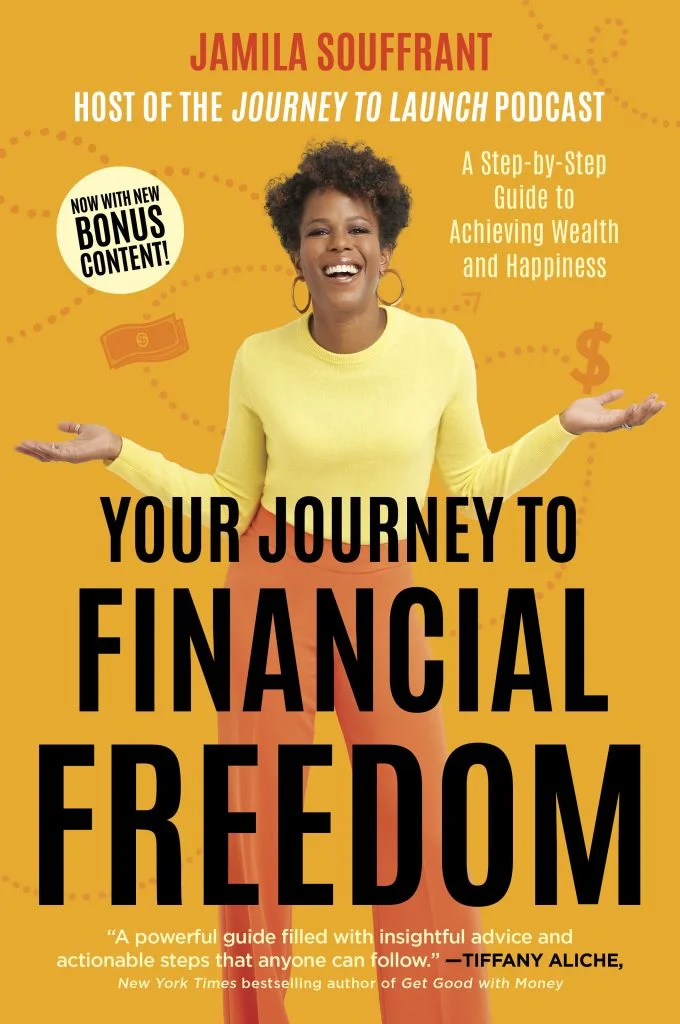
The deals are there, but they're uneven. Builders are offering incentives, sellers are negotiating, and rates on new construction can often be bought down. One investing coach describes a client in D.C. who bought a property $150,000 under asking. That's an outlier, but it shows where the opportunity sits: with people willing to restructure a deal around what's actually for sale. If you're waiting for a perfect rate and a perfect listing, you'll wait a long time. Stay flexible, and the options start to show up.
If you're priced out of your own market
This is the hard case. Say you live in a high-cost metro, and the monthly payment on a house is out of reach even if rates dropped. The first option is a condo or townhome. These tend to appreciate more slowly than single-family homes, but they get you into the market, and a flexible HOA makes them easier to live with. The second option is to rent where you live and buy in a cheaper market you can afford. Some clients do both. Nothing forces you into one path.
Who actually does well in real estate
Patience matters more than anything else. The people who do well over the long haul think in decades, and they accept that the first few years may produce little or no money for them. If you need quick returns, real estate will frustrate you.
Distance matters too. If you're the type who wants to drive past a property every month, buying out of state will drive you crazy. You'll spend your time worrying about things you can't control. That said, most horror stories about bad landlords come from owners who didn't understand the job. Learning it is the fix.
Not everyone wants to be the person answering tenant texts and calling the plumber, and that's fine. Plenty of owners partner with operators, the people who run properties day to day. Operators themselves have different skills, and the division of labor often works better than one person trying to do everything. For people who want no hands-on role at all, there are passive options. One fund buys rental properties in Atlanta and gives tenants an incentive to pay on time and care for the units. A slice of each rent payment goes into a savings pot that tenants can draw on for their own first home. Investors who buy into the fund do none of the work, and the fund reports average returns around 13%. Check that figure before you treat it as a benchmark.
Operators burn out too. One long-time operator is now selling properties to pay down others, shrinking the portfolio to raise cash flow. Her point is that you build enough net worth to have choices as your life changes. Here's the thing: that flexibility comes from years of earlier work, not from the strategy alone.
Check the rules before you run the numbers
Landlord-tenant law should be one of your first questions. In some places, removing a tenant who isn't paying is slow and expensive, and that changes your cash flow assumptions. New York City is the example that comes up most often. Investors buying in the Northeast and California have to build those timelines into their models from the start.
Buying without pushing people out
The ethics question is harder, and "don't own property" isn't a workable answer for anyone trying to build wealth. A landlord still has a mortgage to cover. The more useful question is how you buy.
One operator's answer is to skip occupied properties he can't afford to keep tenants in, rather than buying and pushing people out. Most of his portfolio sits in predominantly Black neighborhoods around Atlanta. He has bought dilapidated, boarded-up houses and renovated them, including an entire street that had been abandoned, and he's working with local officials to hold slumlords accountable when they buy cheap and skip maintenance. His company also runs co-living housing, renting by the room to employees returning from incarceration. The units have granite countertops and finished kitchens. Good housing, in other words, isn't a luxury add-on. It's a standard he applies to every property.
How people fund the first deal
Before the recent rate hike, the usual path was a step-up. You bought a new home and turned the old one into a rental. Many clients did exactly that until about two years ago. The obstacle is obvious: giving up a mortgage locked in around 2% for one at today's rates is a hard sell.
New construction offers another route. Builders are offering strong incentives, and in many markets they'll buy down your rate to something like 4.5 to 5%. Plenty of buyers don't know that's possible, so ask.
If a step-up isn't an option, the alternatives are borrowing against equity through a HELOC or taking a 401(k) loan. The 401(k) loan draws the most skepticism, but the case for it rests on what the money buys. Borrowing to invest in an income-producing asset is different from borrowing to cover a shortfall or buy a car. Interest runs around 4 to 5%, and it goes back into your own account. Down payments on investment properties typically run 20 to 25%.
The catch is that the property has to carry both the primary mortgage and the payment on the HELOC or 401(k) loan. That's why buyers using this approach often look for two-unit properties, where the second unit's rent covers the gap.
The skepticism is fair. "Smart risk" is the phrase that matters here. Tapping retirement savings makes sense only with a written plan, real math, and the discipline to follow it. Without those, you're gambling with money you can't easily replace.